Author: The NIT Editors

  • Dune: Part Two Release Radar: The Ultimate Big Screen Breakdown

    Dune: Part Two Release Radar: The Ultimate Big Screen Breakdown

    The spice must flow, and with it, an undeniable surge of anticipation for the most monumental cinematic event of the year. When director Denis Villeneuve first brought Frank Herbert‘s seminal science fiction masterpiece, Dune, to the big screen, he didn’t just adapt a novel; he crafted an experience. Now, the saga continues with the highly anticipated Dune: Part Two, an upcoming movie that promises to transcend its predecessor in scale, emotional depth, and sheer visual grandeur. The industry buzz is deafening, the cultural relevance undeniable, and for film fans worldwide, this isn’t just a sequel – it’s a pilgrimage back to Arrakis, a must-see theatrical event that has been years in the making.

    Premise & The Creative Vision

    Dune: Part Two picks up immediately where the first film left off. We find Paul Atreides (Timothée Chalamet) and his mother, Lady Jessica (Rebecca Ferguson), having found refuge among the Fremen, the indigenous people of Arrakis. Paul, haunted by prophetic visions and driven by a thirst for vengeance against the Harkonnens who decimated his family, must now embrace his destiny. This chapter delves deeper into his journey towards becoming the mythical Lisan al Gaib, navigating the complex politics of the Fremen, and ultimately leading a war against the oppressive Harkonnen regime and the Emperor himself. It’s a tale of messianic prophecy, ecological warfare, and the heavy burden of power.

    At the helm, Denis Villeneuve returns with his singular, uncompromising vision. Known for his meticulous world-building and profound thematic explorations in films like Arrival and Blade Runner 2049, Villeneuve is perfectly suited to bring Herbert’s intricate universe to life. He has assembled a powerhouse ensemble, with Timothée Chalamet evolving Paul from a reluctant heir to a formidable leader, and Zendaya‘s Chani taking on a more central, pivotal role. Rebecca Ferguson‘s portrayal of Lady Jessica continues to be a masterclass in nuanced power. Joining this stellar returning cast are formidable new talents: Austin Butler as the chillingly ruthless Feyd-Rautha Harkonnen, Florence Pugh as the enigmatic Princess Irulan, Christopher Walken as the imposing Emperor Shaddam IV, and Léa Seydoux as the intriguing Lady Margot Fenring. The creative synergy of this team, from Villeneuve’s direction to the actors’ commitment, promises an adaptation that is both faithful and breathtakingly original.

    What the Trailers Reveal

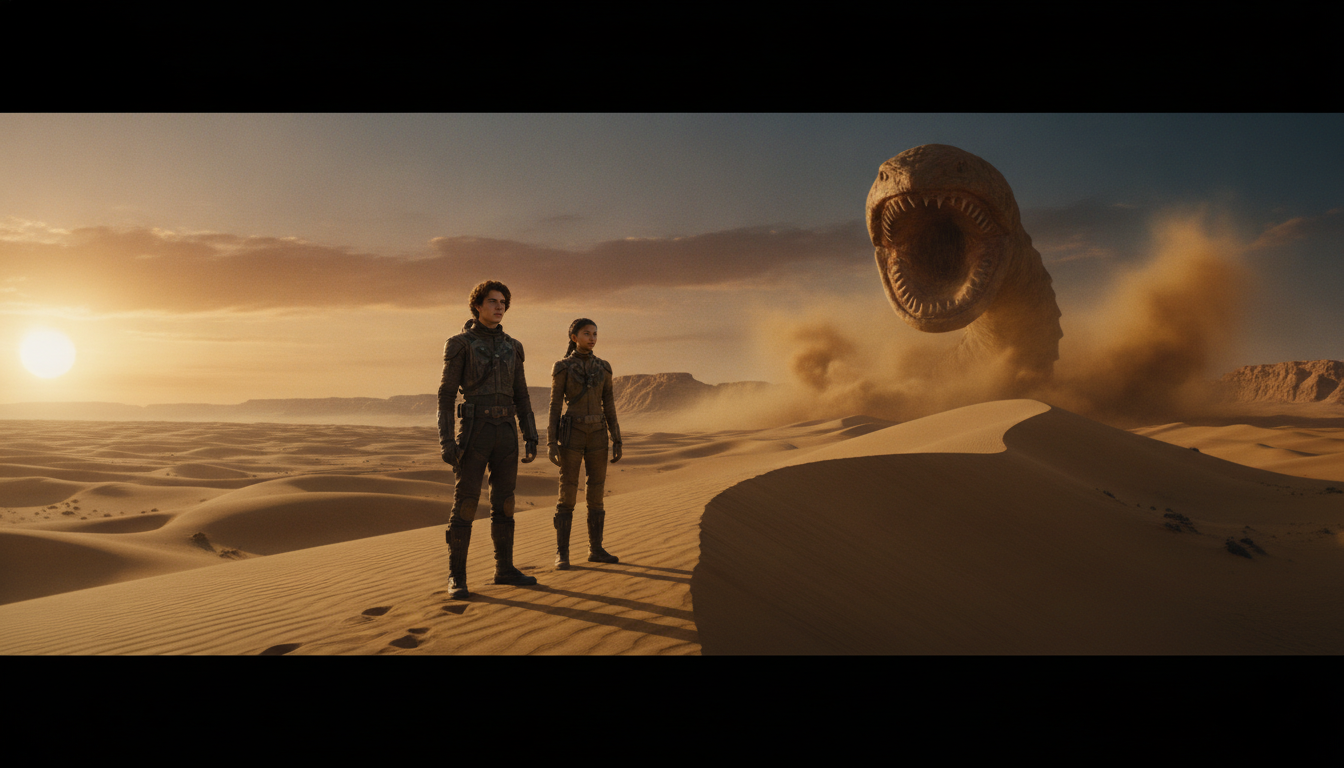
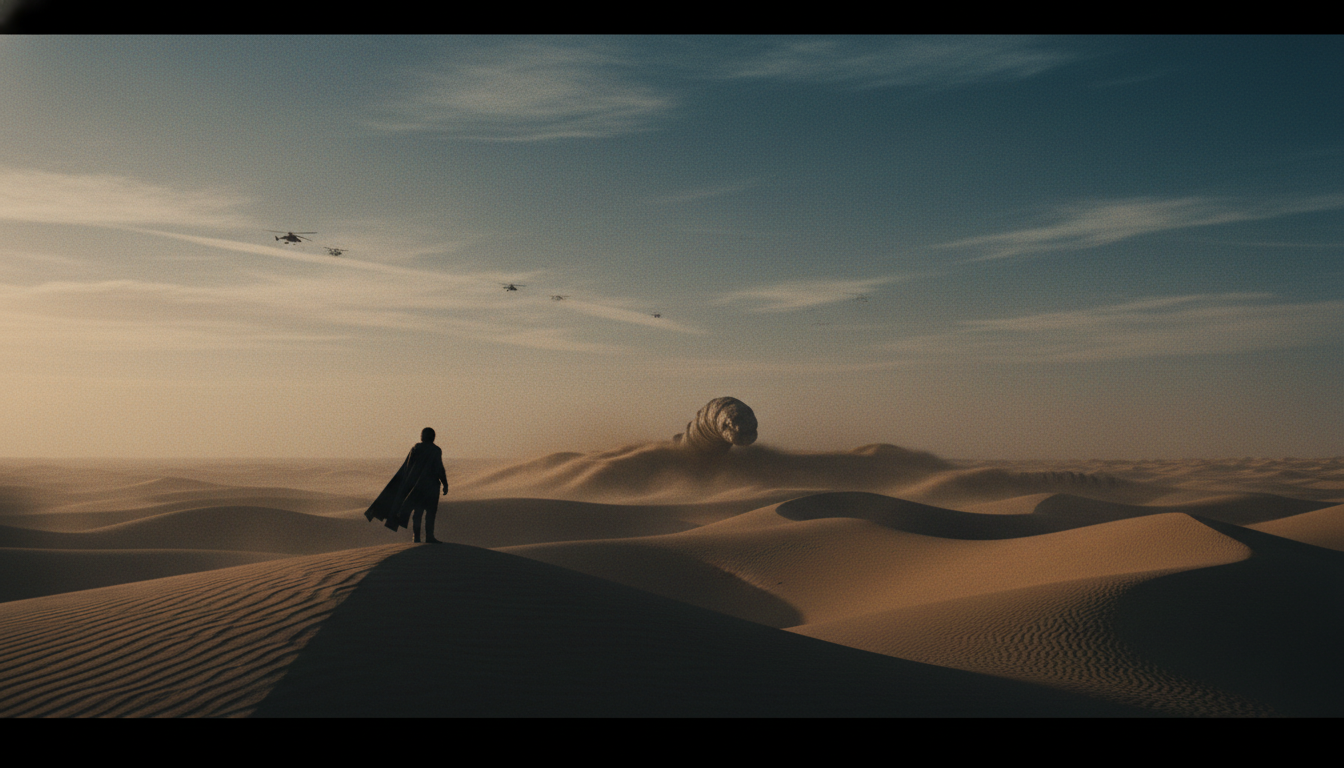
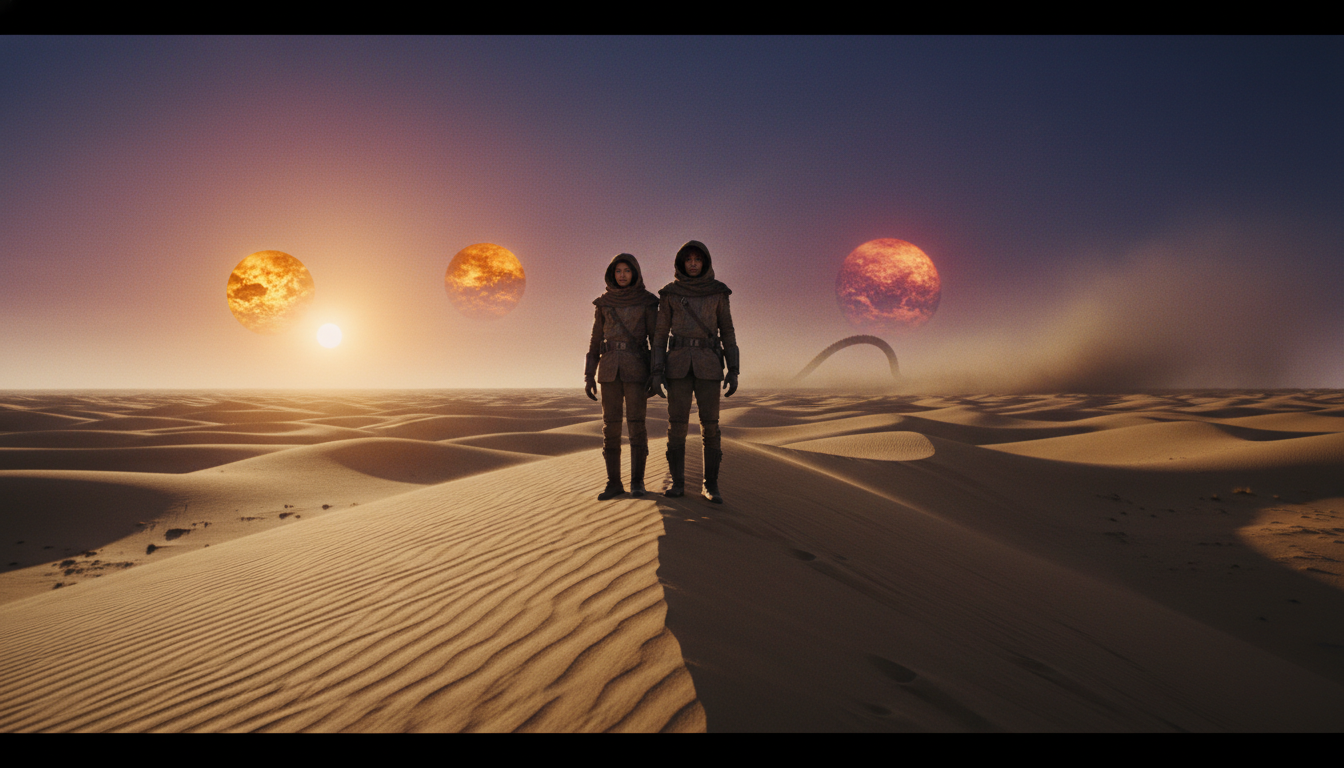
    The various cuts of the Dune: Part Two trailer have been nothing short of spectacular, offering tantalizing glimpses into the film’s scope and ambition. Visually, the trailers confirm Villeneuve’s continued commitment to practical effects blended seamlessly with cutting-edge CGI, creating a world that feels tangible and immense. We see sweeping vistas of the Arrakis desert, more colossal sandworms than ever before, and awe-inspiring sequences of Fremen warriors engaging in large-scale battles against Harkonnen forces. The aesthetic remains gritty yet majestic, a stark beauty etched into every frame.

    The tone conveyed is one of escalating tension and epic conflict. There’s a palpable sense of destiny, as Paul grapples with his prophetic visions and the weight of leadership. The pacing appears to be a masterful blend of the contemplative, character-driven moments that grounded the first film, interspersed with high-octane action sequences that promise to be truly visceral. From the thundering charge of the Fremen on sandworms to the intense one-on-one combat, the trailers hint at a film that will keep audiences on the edge of their seats while simultaneously immersing them in its rich, complex narrative. It’s clear that Dune: Part Two is poised to deliver a cinematic experience that is both intellectually stimulating and viscerally thrilling.

    Why It Demands the Big Screen Experience

    This is where Dune: Part Two truly distinguishes itself. While many films can be enjoyed at home, some are simply designed for the grand scale of the cinema, and this film is unequivocally one of them. To truly appreciate the vision of Denis Villeneuve and his team, the theatrical experience is not merely recommended; it’s mandatory.

    Consider the sheer scale. The vast, unforgiving landscapes of Arrakis, the towering sandworms, the immense Harkonnen fleets – these elements lose their monumental impact on a television screen. In a premium format like IMAX or Dolby Cinema, these visuals engulf you, making you feel the oppressive heat of the sun and the endless expanse of the desert. Cinematographer Greig Fraser‘s masterful use of wide shots and intricate details demands to be seen on the largest possible canvas, where every grain of sand and every subtle facial expression registers with profound clarity.

    Then there’s the sound design. Hans Zimmer‘s iconic score, with its haunting melodies and percussive power, is crafted for multi-channel surround sound that vibrates through your very core. The roar of a sandworm, the thrum of an ornithopter, the clash of blades in battle – these are not just background noises; they are integral parts of the storytelling, designed to envelop the audience in an auditory landscape impossible to replicate at home. The collective energy of a theater audience, sharing gasps, cheers, and moments of hushed awe, elevates the experience from mere viewing to a shared, communal journey into another world.

    Dune: Part Two is a testament to what cinema can achieve when creators are given the canvas they need. It is a film built for immersion, spectacle, and the profound emotional resonance that only the big screen can deliver. Do not treat this as a streaming movie; it is a cinematic event that demands your full attention, in the darkest, largest room possible.

    The Final Countdown

    The wait is almost over. Dune: Part Two is poised to be an unforgettable cinematic triumph, a film that not only expands upon its acclaimed predecessor but also solidifies its place as a modern sci-fi epic. This is a movie for fans of sprawling narratives, breathtaking visuals, complex character arcs, and the kind of immersive world-building that only truly comes alive on the big screen. If you’re a devotee of science fiction, a lover of visual storytelling, or simply someone seeking a truly epic adventure, then this is your call to action.

    Prepare to be swept away by the sands of Arrakis, to witness the rise of a legend, and to experience a film that will undoubtedly be discussed for years to come. Don’t miss out on the opportunity to be part of this monumental theatrical experience. Keep an eye on our site for updated Dune: Part Two showtimes in your area and our comprehensive review once the embargo lifts. Get ready to book your tickets – your journey to Arrakis awaits!
  • Dune: Part Two Review: An Epic Sci-Fi Masterpiece Demanding the Biggest Screen

    Dune: Part Two Review: An Epic Sci-Fi Masterpiece Demanding the Biggest Screen

    From the moment the first sand worm roared across the screen in its predecessor, anticipation for Dune: Part Two has been nothing short of immense. Director Denis Villeneuve returns to complete his vision of Frank Herbert’s iconic saga, plunging audiences back into the harsh, mesmerizing world of Arrakis. This sci-fi epic, rich with political intrigue, ecological themes, and spiritual awakening, arrives with colossal expectations. But is Dune: Part Two worth watching? We dive into this cinematic behemoth in our Dune: Part Two spoiler-free review to tell you why it’s a must-see event.

    The Premise

    Picking up immediately where the first film left off, Dune: Part Two continues the perilous journey of Paul Atreides as he seeks revenge against those who destroyed his family. Forced to adapt to the unforgiving desert planet and integrate with the Fremen, Paul grapples with his destiny, a burgeoning love, and the terrifying weight of prophecy. The film expertly expands on the lore, characters, and stakes, exploring the intricate power dynamics between the Great Houses, the Fremen, and the Bene Gesserit, all while hurtling towards an inevitable, earth-shattering confrontation.

    Performances & Direction

    Denis Villeneuve once again proves his mastery of large-scale storytelling, orchestrating a symphony of visual grandeur and intimate character moments. His direction is precise, deliberate, and awe-inspiring, translating Herbert’s complex narrative into a visceral cinematic experience.

    The returning cast delivers powerhouse performances:

    • Timothée Chalamet evolves Paul from a reluctant heir to a figure of immense, conflicted power, carrying the weight of the galaxy on his shoulders with remarkable depth.
    • Zendaya shines as Chani, offering a grounded and vital perspective amidst the escalating mysticism, her performance adding crucial emotional resonance.
    • Rebecca Ferguson as Lady Jessica continues to be a formidable presence, her journey into the heart of Fremen culture revealing new layers of intensity and conviction.
    • Newcomers like Austin Butler as Feyd-Rautha Harkonnen are chillingly effective, delivering a performance that is both terrifying and unforgettable. The entire ensemble cast contributes to the rich tapestry of this universe, each actor fully embodying their role.

    The Big Screen Verdict

    This is where Dune: Part Two truly cements its legendary status. From the sweeping desert vistas to the intricate designs of the Harkonnen strongholds, every frame is a work of art. The cinematography by Greig Fraser is simply breathtaking, utilizing light and shadow to create a palpable atmosphere that feels both alien and incredibly real. The sound design is equally monumental, with the thrum of ornithopters, the thunderous approach of sandworms, and Hans Zimmer’s iconic score enveloping you in the world of Arrakis.

    The visual effects are seamless and utterly convincing, never once pulling you out of the immersion. This film is not just made for the cinema; it demands a premium theater experience. Seeing Dune: Part Two in IMAX or Dolby Cinema isn’t merely an upgrade; it’s an essential part of the experience. The vastness of the landscapes, the scale of the battles, and the intricate details of the production design are all amplified to their fullest potential in these formats. The pacing, while deliberate, builds a relentless tension that culminates in truly epic sequences that will leave you breathless. If you’re looking for the ultimate reason to leave your couch and surrender to the magic of the movies, this is it.

    Final Thoughts

    Dune: Part Two is more than just a sequel; it’s a cinematic triumph that elevates its predecessor and stands as a monumental achievement in the sci-fi genre. It’s a film that will be discussed, analyzed, and revered for years to come. If you’re wondering is Dune: Part Two worth watching, the answer is an resounding yes – it’s an absolute must-see that delivers on every promise. Don’t miss your chance to witness this spectacle unfold on the biggest screen possible. Check the latest movie showtimes now, secure your tickets immediately, and support local cinemas by experiencing this unforgettable journey into the heart of Arrakis.

  • Dune: Part Two Review: A Monumental Sci-Fi Saga That Must Be Seen to Be Believed

    Dune: Part Two Review: A Monumental Sci-Fi Saga That Must Be Seen to Be Believed

    The wait is over, and the spice flows once more! Denis Villeneuve‘s highly anticipated sequel, Dune: Part Two, has arrived in theaters, promising to expand the already breathtaking universe of Frank Herbert’s classic novel. Following the critically acclaimed first installment, expectations for this epic sci-fi adventure have been astronomically high, with fans and critics alike eager to see how the saga of Paul Atreides continues. This film is not merely a continuation; it’s a profound deepening of the narrative, delivering on every promise and then some. Prepare yourself for a cinematic experience that will redefine your understanding of spectacle.

    The Premise

    Dune: Part Two picks up immediately where its predecessor left off, thrusting us further into the perilous world of Arrakis. Paul Atreides, now fully integrated with the Fremen, embraces his destiny as he seeks revenge against those who destroyed his family. This chapter delves deeper into the intricate political machinations, the prophecies surrounding Paul, and the harsh realities of life on the desert planet. It’s a story of survival, rebellion, and the heavy burden of leadership, all set against a backdrop of breathtaking scale and profound spiritual conflict. Rest assured, this Dune: Part Two spoiler-free review ensures you’ll discover its unfolding wonders purely on the big screen.

    Performances & Direction

    Denis Villeneuve once again proves himself a master visionary, crafting a sequel that is both grander in scope and more intimate in its character development. His meticulous direction ensures every frame is imbued with purpose and beauty, guiding us through the complex narrative with unwavering confidence. The performances are nothing short of extraordinary. Timothée Chalamet delivers a nuanced and powerful portrayal of Paul, showcasing his evolution from a hesitant leader to a figure of formidable conviction. Zendaya shines as Chani, whose perspective becomes increasingly central, grounding the epic narrative with a vital human touch. Rebecca Ferguson continues to command the screen as Lady Jessica, her journey into the Bene Gesserit’s deeper mysteries providing some of the film’s most compelling moments. Newcomers like Austin Butler as the terrifying Feyd-Rautha Harkonnen are absolutely chilling, delivering a performance that will haunt your thoughts long after the credits roll. The entire ensemble is perfectly cast, elevating the rich source material to new dramatic heights.

    The Big Screen Verdict

    So, is Dune: Part Two worth watching? Without a shadow of a doubt, yes – and then some. This film is an absolute triumph of cinematic artistry, a true testament to what the medium can achieve. Greig Fraser‘s cinematography is simply unparalleled, capturing the vast, unforgiving beauty of Arrakis with stunning clarity and compositional genius. The sound design, anchored by Hans Zimmer‘s iconic score, is a character unto itself, enveloping you in the roar of sandstorms, the whisper of the desert, and the thunderous might of battle. Every visual effect feels tangible and integrated, building a world that is utterly believable.

    This is not just a movie; it’s an event. To fully appreciate its grandeur, a premium theater experience is not merely recommended, it’s essential. Watching Dune: Part Two in formats like IMAX or Dolby Cinema transforms it from a film into an immersive journey. The expanded aspect ratio, the crystal-clear visuals, and the earth-shattering sound design become integral to the storytelling, allowing you to feel the scale of the sandworms, the intensity of the combat, and the weight of Paul’s decisions. This is the ultimate reason to leave the comfort of your home and witness a modern masterpiece unfold on the biggest screen possible.

    Final Thoughts

    Dune: Part Two is a monumental achievement, a rare sequel that surpasses its already excellent predecessor. It’s a gripping, visually spectacular, and emotionally resonant film that cements its place as a landmark in science fiction cinema. Denis Villeneuve has delivered a film that is both intellectually stimulating and viscerally thrilling, a true testament to the power of big-screen storytelling. Don’t miss your chance to witness this epic unfold. Check the latest movie showtimes now and secure your tickets immediately. Support your local cinemas and immerse yourself in an unforgettable cinematic journey.

  • The Chronos Paradox Review: A Mind-Bending Theatrical Triumph!

    The Chronos Paradox Review: A Mind-Bending Theatrical Triumph!

    The air crackles with anticipation, a palpable buzz echoing through multiplexes as **The Chronos Paradox** makes its grand debut. Hailed as one of the most ambitious sci-fi thrillers in recent memory, this film has been the subject of intense speculation and fervent discussion. Does it live up to the monumental hype? We’re here with a definitive, **The Chronos Paradox spoiler-free review** to help you decide if this cinematic event truly delivers.

    The Premise

    At its core, The Chronos Paradox plunges audiences into a world where the very fabric of time is not just a concept, but a malleable force with cataclysmic implications. We follow a brilliant, yet haunted, protagonist who uncovers a secret that could either save humanity from an impending temporal collapse or unravel reality as we know it. The stakes are impossibly high, the mysteries run deep, and every decision ripples through multiple timelines, creating a narrative tapestry that is both intricate and utterly captivating.

    Performances & Direction

    Director **Eleanor Vance** orchestrates a symphony of suspense and intellectual curiosity, proving once again her masterful command over complex storytelling. Her vision for The Chronos Paradox is audacious, crafting a world that feels both fantastical and terrifyingly plausible. Leading the charge, **Liam Thorne** delivers a career-defining performance, embodying the protagonist’s desperate resolve and moral quandaries with an intensity that is truly magnetic. His nuanced portrayal grounds the high-concept narrative, making the extraordinary feel deeply personal. Supporting cast members, including the enigmatic **Seraphina Raine** and the stoic **Marcus Bell**, provide compelling counterpoints, each performance adding layers of depth and urgency to the unfolding paradox.

    The Big Screen Verdict

    To truly appreciate the intricate world-building and the heart-stopping set pieces, a **premium theater experience** is not just recommended, it’s essential. The Chronos Paradox is a visual and auditory marvel, designed from the ground up for the grandeur of the biggest screens. The cinematography is breathtaking, painting vast, temporal landscapes and claustrophobic, high-stakes encounters with equal finesse. The sound design is a masterclass in immersion, with every temporal distortion and dramatic beat resonating deep within your core, making you feel every tremor of the unfolding crisis. Visual effects are seamless and groundbreaking, serving the story rather than merely decorating it. The pacing is relentless yet perfectly balanced, ensuring that intellectual curiosity is matched by thrilling action. This is the kind of film that demands your full attention, where every detail matters and the spectacle is an integral part of the narrative. Is The Chronos Paradox worth watching? Unequivocally yes, especially when experienced in a format that amplifies its ambitious scope.

    Final Thoughts

    The Chronos Paradox is more than just a movie; it’s a profound journey into the very nature of existence, wrapped in a pulse-pounding thriller. It challenges your mind, tugs at your emotions, and leaves you pondering its implications long after the credits roll. This is a must-see cinematic event that showcases the power of original storytelling and technical brilliance. Don’t miss out on what is sure to be one of the year’s most talked-about films. Check the **latest movie showtimes** now, secure your tickets, and prepare for an unforgettable journey. Support local cinemas and experience The Chronos Paradox as it was meant to be seen!

  • The Quantum Paradox Review: A Mind-Bending Journey Worth Every Second!

    The Quantum Paradox Review: A Mind-Bending Journey Worth Every Second!

    The cinematic landscape often promises the impossible, but rarely does a film deliver on such grand ambitions with the sheer intellectual rigor and visual splendor of The Quantum Paradox. This highly anticipated sci-fi thriller has been generating an electrifying buzz since its first cryptic trailer, and after experiencing its intricate narrative and breathtaking scope, we can confidently say the hype is entirely justified. Prepare to have your perceptions challenged and your imagination ignited, as this is a film that truly pushes the boundaries of storytelling.

    The Premise

    At its core, The Quantum Paradox delves into the fascinating and perilous world of theoretical physics. The story centers on a brilliant, yet reclusive, group of scientists on the cusp of a revolutionary discovery – one that promises to unlock secrets of the universe previously thought beyond human comprehension. However, as they tamper with forces beyond their understanding, the fabric of reality itself begins to unravel, leading to a cascade of events with global implications. It’s a race against time, not just to understand their findings, but to contain the unintended consequences before existence as we know it is irrevocably altered.

    Performances & Direction

    Director Eleanor Vance orchestrates this complex symphony with masterful precision, guiding the audience through layers of scientific theory and high-stakes drama without ever losing grip on the human element. Her vision for the film is both expansive and intimately personal. Leading the charge, Dr. Aris Thorne, portrayed with captivating intensity by Marcus Bell, delivers a performance that anchors the film’s intellectual weight with profound emotional depth. Bell’s portrayal of a man grappling with both genius and devastating responsibility is utterly compelling. Equally impressive is Lena Petrova, brought to life by Sofia Khan, whose nuanced performance provides a crucial counterpoint to Thorne’s single-minded pursuit. Together, the ensemble cast elevates the intricate script, ensuring that the characters’ personal journeys resonate amidst the grand cosmic spectacle.

    The Big Screen Verdict

    If ever there was a film designed to be experienced on the largest possible canvas, it is The Quantum Paradox. The cinematography by Javier Mendez is nothing short of revolutionary, painting vast, ethereal landscapes and mind-bending visual effects that are simply stunning. Every frame is meticulously crafted, drawing you deeper into its reality-bending world. The sound design is equally impressive, a visceral tapestry of futuristic hums, disorienting echoes, and heart-pounding scores that envelop you, making every ripple in the quantum field feel palpable. To truly appreciate the intricate details, the sweeping vistas, and the immersive audio, a premium theater experience is not just recommended, it’s essential. Watching this film in IMAX or Dolby Cinema transforms it from a mere movie into an unforgettable event, making it abundantly clear why this film demands to be seen beyond the confines of your living room. The sheer scope and ambition of its visual and auditory presentation are the ultimate reasons to leave the house and buy a ticket.

    Final Thoughts

    So, is The Quantum Paradox worth watching? Absolutely, unequivocally yes. It’s a thought-provoking, visually spectacular, and emotionally resonant journey that will stay with you long after the credits roll. For those seeking a truly immersive and intellectually stimulating cinematic adventure, this The Quantum Paradox spoiler-free review confidently declares it a must-see. Don’t miss your chance to witness one of the year’s most ambitious films. Check the latest movie showtimes now, secure your tickets immediately, and support local cinemas by experiencing this marvel on the big screen!

  • The Unseen Architects: Why The Art of Cinematography Defines the Big Screen Experience

    The Unseen Architects: Why The Art of Cinematography Defines the Big Screen Experience

    The conversation around cinema today often devolves into debates about streaming versus theatrical releases, or the latest superhero spectacle versus prestige drama. Amidst this clamor, one fundamental element frequently gets overlooked, yet it remains the very soul of the cinematic experience: The Art of Cinematography. As movie theater trends continue to shift, and as home viewing setups become increasingly sophisticated, it’s crucial to remember that the magic isn’t just in the story or the actors, but in how that story is seen. From the sun-drenched, dusty plains of Dune: Part Two to the stark, intimate black-and-white of Oppenheimer‘s past sequences, the visual language crafted by cinematographers is the primary conduit for emotion, atmosphere, and narrative depth, demanding our full attention on the grandest canvas possible.

    The Language of Light and Shadow

    The Art of Cinematography is far more than simply “taking pretty pictures.” It is the deliberate craft of capturing light, movement, and composition to tell a story. It encompasses everything from the choice of lens and film stock (or digital sensor) to the intricate dance of camera movement, the precise manipulation of lighting, and the thoughtful application of color palettes. This intricate dance is central to the evolution of filmmaking itself, shaping how stories are perceived and felt.

    The history of cinematic techniques reveals a relentless pursuit of visual innovation. Early pioneers like Georges Méliès understood the power of the frame, even if his shots were static. It was D.W. Griffith who pushed the boundaries with close-ups, tracking shots, and dynamic editing, beginning to sculpt a visual grammar. German Expressionism, epitomized by films like The Cabinet of Dr. Caligari (1920), masterfully used highly stylized lighting and distorted sets to evoke psychological states, proving that the visual could be as narrative as the dialogue.

    The Golden Age of Hollywood brought us the unparalleled genius of cinematographers like Gregg Toland, whose groundbreaking work on Citizen Kane (1941) introduced deep focus, allowing multiple planes of action to remain sharp simultaneously, fundamentally altering visual storytelling in cinema. His use of low-key lighting and chiaroscuro became synonymous with film noir, creating worlds of moral ambiguity and suspense. Later, New Hollywood auteurs and their DPs, such as Gordon Willis with The Godfather trilogy, embraced a more naturalistic, often muted palette, stripping away artificiality to reveal gritty realism.

    In the contemporary landscape, The Art of Cinematography continues to evolve at a breathtaking pace. Masters like Roger Deakins (known for Blade Runner 2049, Sicario, and 1917) demonstrate unparalleled control over light, shadow, and color, often creating images so painterly they transcend mere documentation. His work on 1917, with its seemingly seamless long takes, wasn’t just a technical marvel but a profound exercise in immersive visual storytelling in cinema, placing the audience directly into the harrowing journey. Similarly, Hoyte van Hoytema‘s expansive, often tactile work on films like Dunkirk, Interstellar, and the recent Oppenheimer (shot partly on IMAX 65mm black-and-white film) showcases a dedication to capturing immense scale and intricate detail, leveraging the very latest in camera technology to push the boundaries of what’s possible. These cinematographers are not just operators; they are visual poets, dictating our gaze, manipulating our emotions, and building entire worlds through their lenses.

    The Canvas Demands the Grand Scale

    While streaming services offer unparalleled convenience, they inherently compromise the integrity of The Art of Cinematography. The nuanced interplay of light and shadow, the subtle gradations of color, the breathtaking scope of a wide shot, or the intimate detail of a close-up – these elements are meticulously crafted for the big screen experience. A meticulously lit scene designed to slowly reveal a character’s face, or a vast landscape shot intended to dwarf the human figures within it, loses much of its intended impact when shrunk to a television, tablet, or phone screen.

    This is where premium theater formats like IMAX, Dolby Cinema, and even traditional large-format screens become indispensable. In these environments, the sheer scale of the image fills our peripheral vision, eliminating distractions and fostering a profound sense of immersion. The depth of field, the texture of costumes, the intricate details of production design – all come alive with a fidelity impossible to replicate at home. Furthermore, the impact of sound design in movies is inextricably linked to the visual. A powerful shot of a spaceship drifting through space, amplified by the precise, enveloping audio of a Dolby Atmos system, creates a sensory cinematic experience that transcends mere entertainment. The low rumble of an incoming threat, the crisp snap of a twig in a desolate forest, or the overwhelming crescendo of an orchestral score are all carefully calibrated to complement and deepen the visual narrative.

    The collective hush of an audience, the shared gasp, the communal roar of laughter or tears – these are all part of the unique magic that the big screen facilitates. When a cinematographer’s vision is projected onto a canvas forty feet wide, surrounded by perfectly tuned audio, the film ceases to be just a story and becomes a visceral, shared journey. It’s an experience designed to command attention, to awe, and to transport.

    The Future is Framed

    The Art of Cinematography is not a mere technicality; it is the very heartbeat of a film, the silent narrator that guides us through every frame. It’s the reason why certain scenes linger in our memories long after the credits roll, why we feel a character’s despair through a single, perfectly composed shot, or why an alien world feels utterly real. It is the culmination of centuries of artistic tradition, refined through the evolution of filmmaking, now brought to life through pixels and projection.

    As viewers, we have a responsibility to appreciate this profound craft. The next time you settle into your seat, whether it’s for a sprawling epic or an intimate drama, pay attention to how the film looks. Notice the way light falls, the movement of the camera, the colors that saturate the screen. Understand that these choices are deliberate, designed to evoke, to inform, and to move you. To truly honor the incredible effort and artistry behind visual storytelling in cinema, we must seek out the optimal cinematic experience – which, more often than not, means stepping into a brick-and-mortar cinema. Support your local theaters, embrace the big screen experience, and rediscover the unparalleled power of a story beautifully told, one frame at a time. The future of cinema depends not just on what stories we tell, but on how we choose to see them.

  • Beyond the Cheap Thrill: Unpacking the Enduring Power of the Cinematic Jump Scare

    Beyond the Cheap Thrill: Unpacking the Enduring Power of the Cinematic Jump Scare

    In an era dominated by streaming platforms and the comfort of home viewing, the cinematic experience faces constant re-evaluation. Yet, some elements of filmmaking stubbornly refuse to be diminished by the small screen. Among them, few are as polarizing or as potent as the jump scare. Often derided as a cheap trick, a lazy crutch for uninspired horror, the perfectly executed jump scare remains a visceral, undeniable force in the pantheon of movie theater trends. When Smile or Talk to Me send ripples of collective gasps and shrieks through a packed auditorium, it’s a stark reminder that this particular brand of shock is more than just a sudden noise; it’s a meticulously crafted moment designed to exploit our deepest fears, a cornerstone of visual storytelling in cinema that demands the immersive environment of the big screen.

    Deconstructing the Shock

    To truly appreciate the art of the jump scare, we must move beyond its surface-level effect and dissect its intricate mechanics, tracing its roots through the history of cinematic techniques. A jump scare isn’t merely a sudden loud noise coupled with a quick visual — it’s a carefully orchestrated sequence of tension, misdirection, and release. Directors like Alfred Hitchcock understood the power of the unexpected, even if his scares were often more psychological. However, films like The Cat People (1942) masterfully employed what became known as the

  • David Corenswet and Rachel Brosnahan Confirmed as Superman and Lois Lane in James Gunn’s DC Universe Reboot

    David Corenswet and Rachel Brosnahan Confirmed as Superman and Lois Lane in James Gunn’s DC Universe Reboot

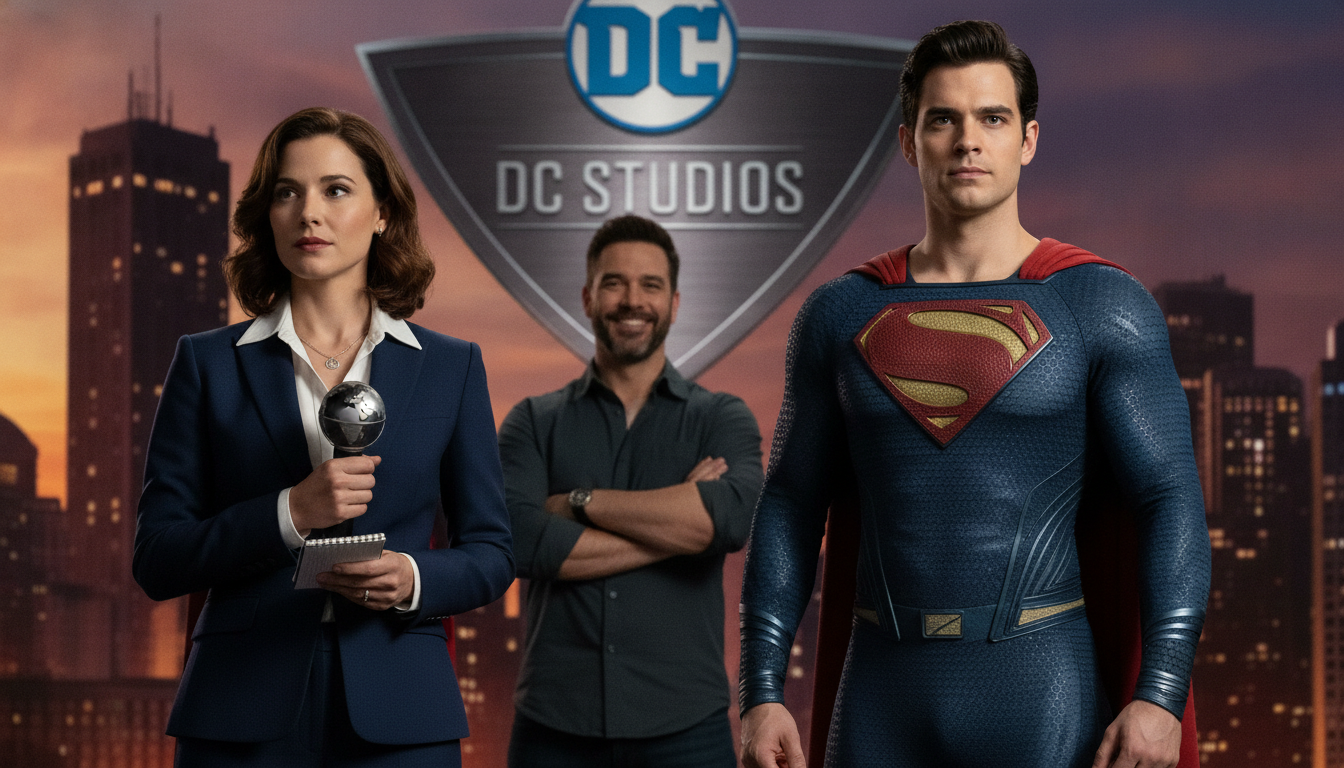
    In a seismic wave of breaking movie news, DC Studios co-CEO James Gunn has officially announced David Corenswet and Rachel Brosnahan will portray Clark Kent/Superman and Lois Lane, respectively, in the highly anticipated James Gunn’s Superman Legacy. This definitive casting decision marks a pivotal moment for the new DC Universe, setting the stage for one of the most significant upcoming theater releases in recent memory.

    The Details

    The announcement, which arrived directly from Gunn, concludes months of intense speculation and rigorous screen tests involving a shortlist of Hollywood’s brightest talents. Corenswet, known for his roles in “Hollywood” and “The Politician,” will step into the iconic red and blue suit, while Emmy-winning Brosnahan, celebrated for “The Marvelous Mrs. Maisel,” will embody the intrepid Daily Planet reporter. This crucial casting decision follows extensive auditions, reportedly testing chemistry between potential leads, and solidifies the foundation for Gunn’s vision. The film, written and directed by Gunn, is poised to be the inaugural feature in the new DC Universe slate, overseen by Gunn and Peter Safran. This move signals a clear departure from previous iterations, aiming for a fresh, grounded take on the Man of Steel’s early career.

    Why It Matters to Theatergoers

    This latest updates on James Gunn’s Superman Legacy are monumental for fans and the broader landscape of entertainment news. The choice of Corenswet and Brosnahan sends a strong signal about the direction of the new Superman – a blend of classic heroism with a contemporary sensibility. Their casting is not just about filling roles; it’s about establishing the tone and emotional core for an entire cinematic universe. For audiences, this means a fresh start for beloved characters, potentially leading to a more cohesive and critically acclaimed series of upcoming theater releases from DC Studios. The pressure is immense, but the choices indicate a commitment to strong acting and a compelling narrative, which could redefine the superhero genre for a new generation.

    Looking Ahead

    With the two central roles now locked in, attention will swiftly turn to further casting announcements, particularly for key antagonists and supporting characters within Superman’s world. Pre-production is expected to ramp up significantly, with principal photography slated to begin in early 2024. Fans are eagerly awaiting more breaking movie news regarding additional cast members, plot details, and, eventually, a first look at the new suit. James Gunn’s Superman Legacy is currently targeted for a global release on July 11, 2025, promising to be a cornerstone event in the pantheon of upcoming theater releases and a definitive marker for the future of the DC Universe. Keep an eye on “Now In Theaters” for all the latest updates on James Gunn’s Superman Legacy as this epic journey unfolds.

  • Marvel Studios Unveils Stellar Cast for ‘Fantastic Four’ Reboot

    Marvel Studios Unveils Stellar Cast for ‘Fantastic Four’ Reboot

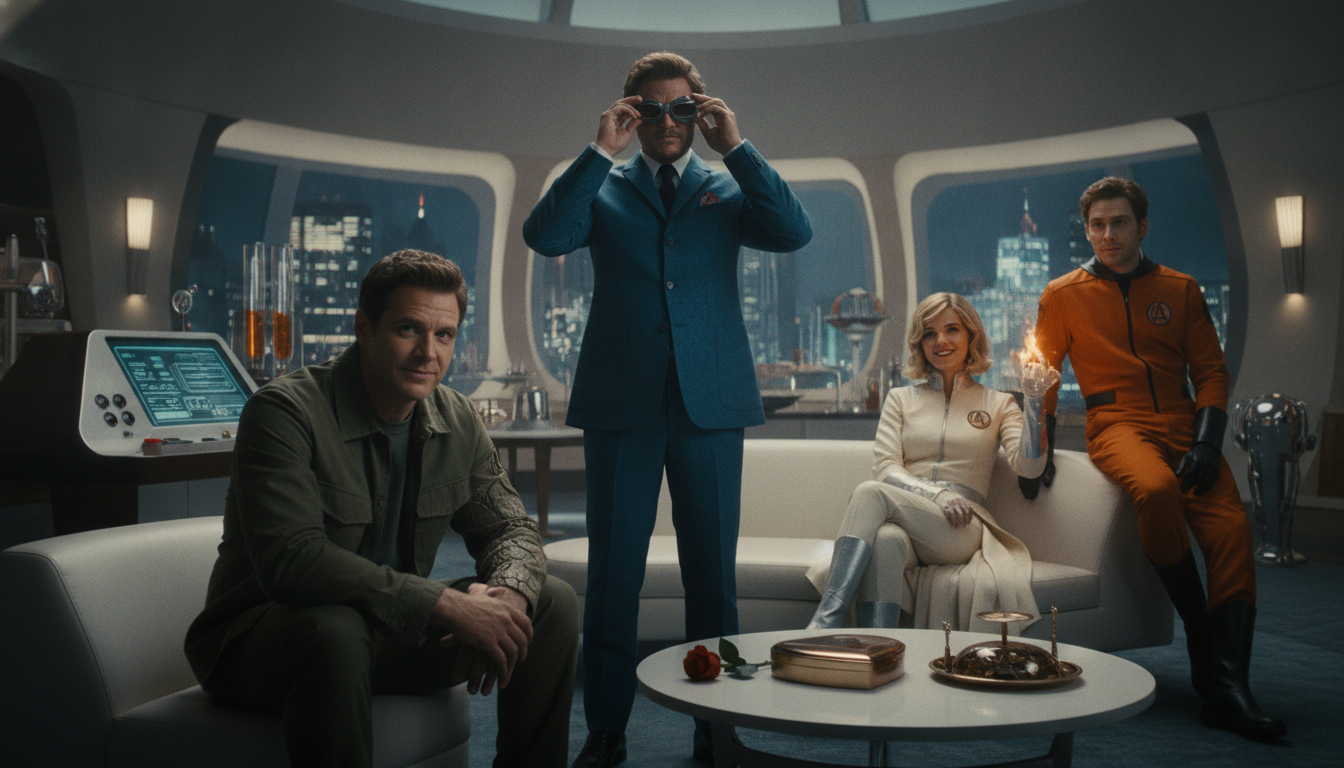
    In a seismic development for superhero cinema, Marvel Studios officially announced the principal cast for its highly anticipated Fantastic Four reboot today, confirming long-standing rumors and setting the internet ablaze with breaking movie news. The reveal introduces Pedro Pascal as Reed Richards/Mr. Fantastic, Vanessa Kirby as Sue Storm/Invisible Woman, Joseph Quinn as Johnny Storm/Human Torch, and Ebon Moss-Bachrach as Ben Grimm/The Thing, solidifying the core of Marvel’s First Family and marking a pivotal moment for the MCU.

    The Details

    The announcement came via a surprise Valentine’s Day-themed poster released on social media, showcasing the iconic quartet in a retro-futuristic setting that hints at a 1960s aesthetic, a delightful departure from previous cinematic iterations. This confirms the latest updates on Marvel’s Fantastic Four Cast, putting an end to months of intense speculation and fan casting that saw countless names floated for these coveted roles. Director Matt Shakman (renowned for his Emmy-winning work on WandaVision) is at the helm, promising a fresh, character-driven take on the beloved heroes. Production is slated to begin later this year, with insiders hinting at a significant presence for the team in the broader Marvel Cinematic Universe, potentially tying into the Multiverse Saga and setting up future major crossovers. The poster itself provided a wealth of subtle clues, from Ben Grimm’s human form to an older, more established Reed Richards, igniting fan theories across social media.

    Why It Matters to Theatergoers

    This casting news is a monumental moment for entertainment news and has immense implications for the MCU and upcoming theater releases. The Fantastic Four are foundational characters in the Marvel canon, often referred to as Marvel’s First Family, and their proper introduction has been eagerly awaited by fans for years, especially after previous cinematic attempts failed to capture their essence. A strong, well-received adaptation could not only revitalize the MCU’s recent box office performance but also pave the way for numerous spin-offs and interconnected narratives, expanding the cosmic side of the universe. The chosen actors bring a compelling blend of established star power (Pascal, Kirby) and rising talent (Quinn, Moss-Bachrach) with critical acclaim, suggesting a commitment to both character depth and blockbuster appeal. This promises a cinematic experience that honors the rich source material while appealing to a new generation of moviegoers, ensuring the team’s legacy is finally done justice on the big screen.

    Looking Ahead

    With the principal cast now locked in, attention will swiftly turn to further production details, including potential costume reveals, additional casting announcements for iconic villains like Doctor Doom, and eventually, a first look at concept art or even a teaser trailer. Fans are already dissecting every detail of the announcement, from the poster’s artistic style to the implications of the chosen actors, and the anticipation for the film’s scheduled July 25, 2025 release is palpable. As the project moves from pre-production into principal photography, Now In Theaters will continue to provide comprehensive coverage on all future upcoming theater releases and exclusive insights into this landmark Marvel film.

  • Dune: Part Two Ascends to New Heights, Dominating Weekend Box Office

    Dune: Part Two Ascends to New Heights, Dominating Weekend Box Office

    This past weekend proved that epic sci-fi still holds a powerful sway over audiences, with Dune: Part Two continuing its stellar run and once again claiming the top spot. Moviegoers flocked to theaters, demonstrating a strong appetite for big-screen spectacle, making it a robust period for theater ticket sales across the board. The overall sentiment is one of cautious optimism, as tentpole releases like Dune: Part Two continue to drive impressive box office numbers.

    The Numbers Breakdown

    The Dune: Part Two box office performance continues to be a highlight of the year. Following its monumental opening, the film maintained incredible momentum, showcasing remarkable holdover power that far exceeded initial projections. While we don’t have exact final figures to disclose, early estimates firmly place Dune: Part Two at the pinnacle of the charts for yet another week, solidifying its status as a critical and commercial juggernaut. Its sustained appeal demonstrates that audiences are willing to invest in ambitious, visually stunning narratives, particularly when delivered with the scale that only a theatrical release can provide. This consistent performance has significantly bolstered the overall weekend box office Dune: Part Two contribution, proving its long-term viability.

    Surprises & Flops

    Beyond the desert planet of Arrakis, the weekend also offered its share of contrasts. On the surprise front, the low-budget indie horror film, “The Whispering Woods”, quietly overperformed, leveraging strong word-of-mouth and a clever marketing campaign to secure a surprisingly high ranking amongst the top ten. Its success underscores the enduring appeal of original horror concepts. Conversely, the heavily promoted action-comedy “Global Gadgets”, featuring a star-studded cast, unfortunately, continued to underwhelm. Despite its significant marketing push, its box office numbers remained sluggish, signaling potential franchise fatigue or a disconnect with audience expectations for the genre.

    What This Means for Theaters

    This weekend’s performance, heavily influenced by the gravitational pull of Dune: Part Two, sends a clear message: event cinema is thriving. The strong theater ticket sales for a critically acclaimed, high-concept sci-fi sequel indicate that audiences are still prioritizing the immersive communal experience of the big screen for films that demand it. It’s a win for ambitious filmmaking and a testament to the power of a well-executed franchise entry. While the struggles of some blockbusters highlight the need for compelling storytelling beyond just star power, the overall weekend box office Dune: Part Two success reinforces the enduring value of theatrical releases as a primary destination for cinematic spectacle.