Tag: IMAX

  • Dune: Part Two Release Radar: The Ultimate Big Screen Breakdown

    Dune: Part Two Release Radar: The Ultimate Big Screen Breakdown

    The spice must flow, and with it, an undeniable surge of anticipation for the most monumental cinematic event of the year. When director Denis Villeneuve first brought Frank Herbert‘s seminal science fiction masterpiece, Dune, to the big screen, he didn’t just adapt a novel; he crafted an experience. Now, the saga continues with the highly anticipated Dune: Part Two, an upcoming movie that promises to transcend its predecessor in scale, emotional depth, and sheer visual grandeur. The industry buzz is deafening, the cultural relevance undeniable, and for film fans worldwide, this isn’t just a sequel – it’s a pilgrimage back to Arrakis, a must-see theatrical event that has been years in the making.

    Premise & The Creative Vision

    Dune: Part Two picks up immediately where the first film left off. We find Paul Atreides (Timothée Chalamet) and his mother, Lady Jessica (Rebecca Ferguson), having found refuge among the Fremen, the indigenous people of Arrakis. Paul, haunted by prophetic visions and driven by a thirst for vengeance against the Harkonnens who decimated his family, must now embrace his destiny. This chapter delves deeper into his journey towards becoming the mythical Lisan al Gaib, navigating the complex politics of the Fremen, and ultimately leading a war against the oppressive Harkonnen regime and the Emperor himself. It’s a tale of messianic prophecy, ecological warfare, and the heavy burden of power.

    At the helm, Denis Villeneuve returns with his singular, uncompromising vision. Known for his meticulous world-building and profound thematic explorations in films like Arrival and Blade Runner 2049, Villeneuve is perfectly suited to bring Herbert’s intricate universe to life. He has assembled a powerhouse ensemble, with Timothée Chalamet evolving Paul from a reluctant heir to a formidable leader, and Zendaya‘s Chani taking on a more central, pivotal role. Rebecca Ferguson‘s portrayal of Lady Jessica continues to be a masterclass in nuanced power. Joining this stellar returning cast are formidable new talents: Austin Butler as the chillingly ruthless Feyd-Rautha Harkonnen, Florence Pugh as the enigmatic Princess Irulan, Christopher Walken as the imposing Emperor Shaddam IV, and Léa Seydoux as the intriguing Lady Margot Fenring. The creative synergy of this team, from Villeneuve’s direction to the actors’ commitment, promises an adaptation that is both faithful and breathtakingly original.

    What the Trailers Reveal

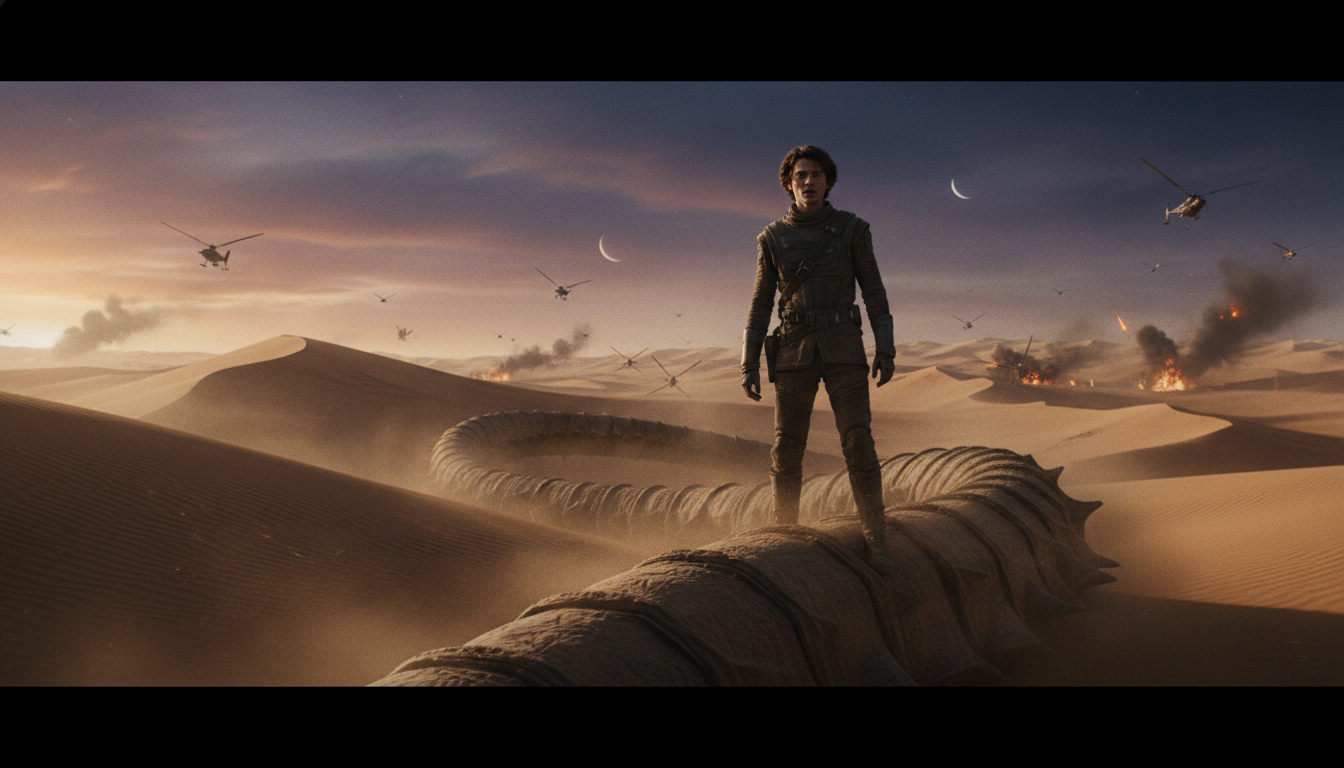
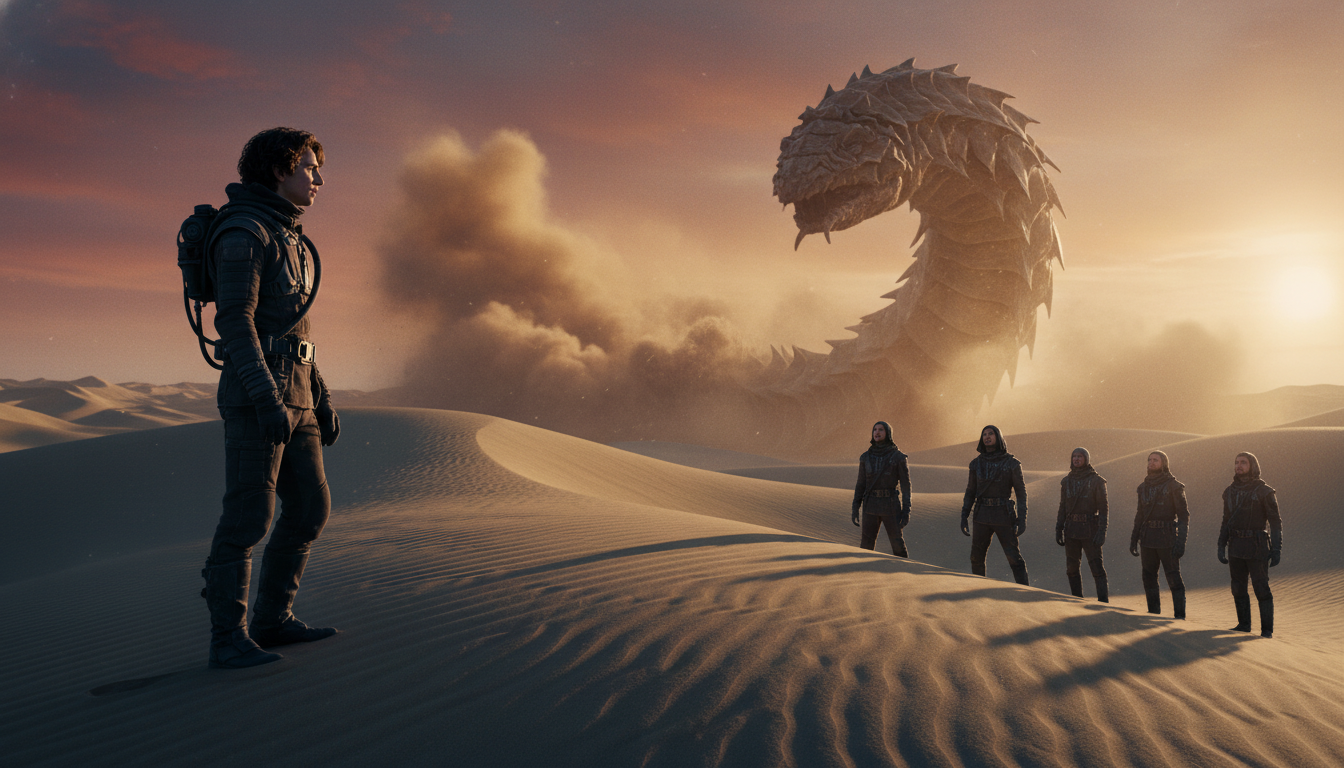
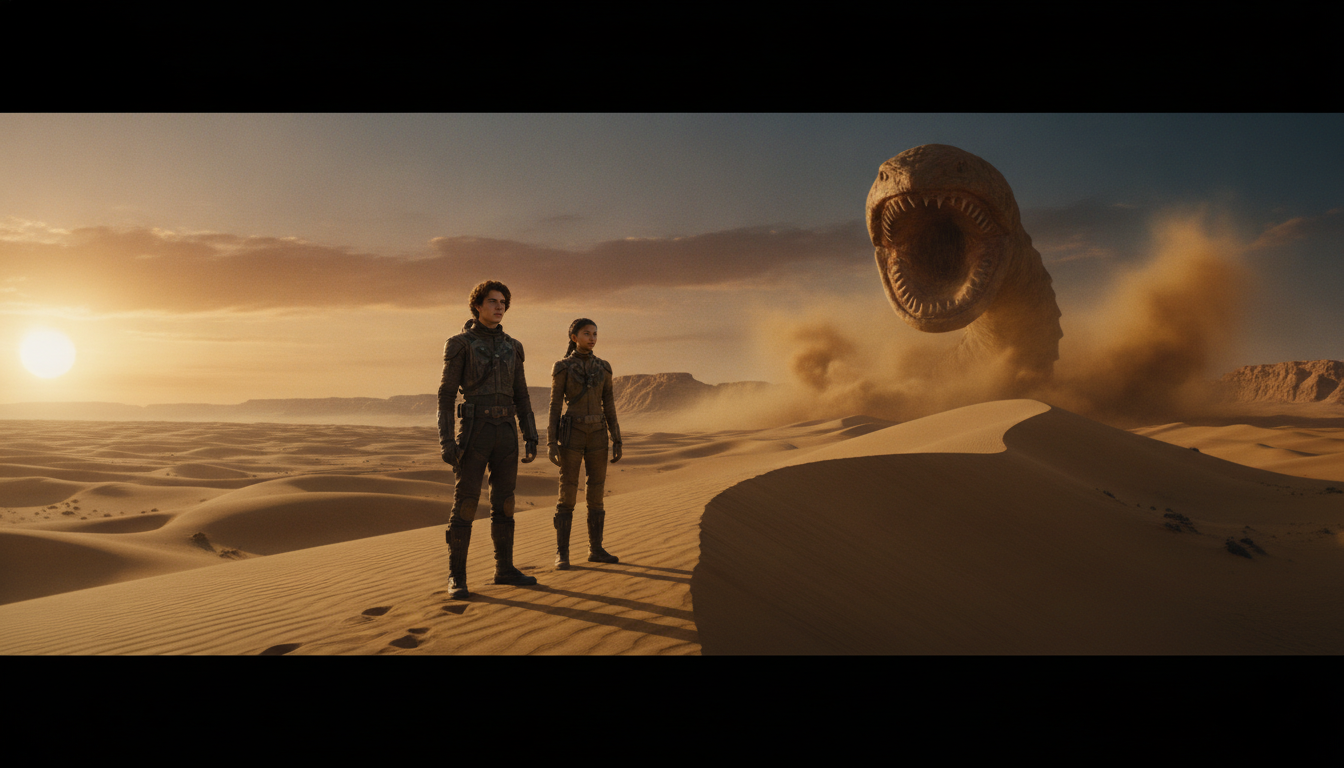
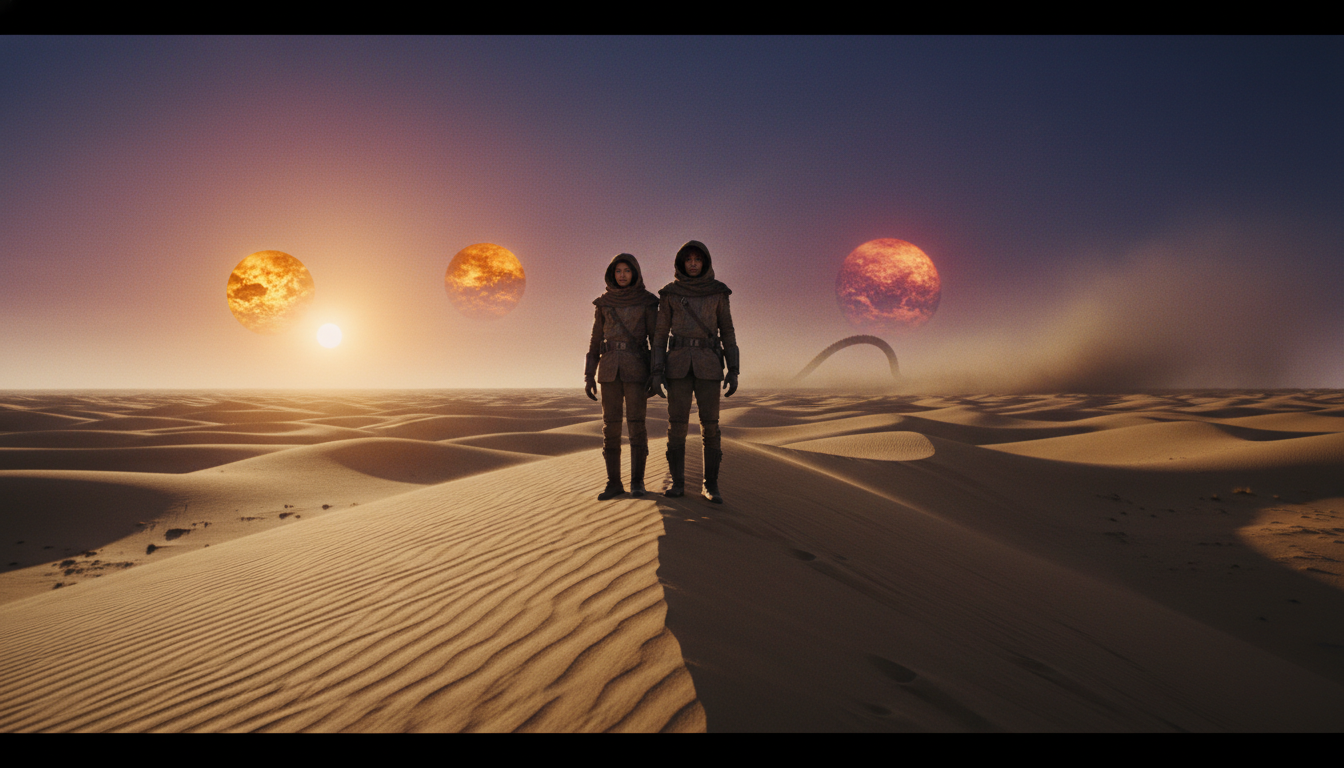
    The various cuts of the Dune: Part Two trailer have been nothing short of spectacular, offering tantalizing glimpses into the film’s scope and ambition. Visually, the trailers confirm Villeneuve’s continued commitment to practical effects blended seamlessly with cutting-edge CGI, creating a world that feels tangible and immense. We see sweeping vistas of the Arrakis desert, more colossal sandworms than ever before, and awe-inspiring sequences of Fremen warriors engaging in large-scale battles against Harkonnen forces. The aesthetic remains gritty yet majestic, a stark beauty etched into every frame.

    The tone conveyed is one of escalating tension and epic conflict. There’s a palpable sense of destiny, as Paul grapples with his prophetic visions and the weight of leadership. The pacing appears to be a masterful blend of the contemplative, character-driven moments that grounded the first film, interspersed with high-octane action sequences that promise to be truly visceral. From the thundering charge of the Fremen on sandworms to the intense one-on-one combat, the trailers hint at a film that will keep audiences on the edge of their seats while simultaneously immersing them in its rich, complex narrative. It’s clear that Dune: Part Two is poised to deliver a cinematic experience that is both intellectually stimulating and viscerally thrilling.

    Why It Demands the Big Screen Experience

    This is where Dune: Part Two truly distinguishes itself. While many films can be enjoyed at home, some are simply designed for the grand scale of the cinema, and this film is unequivocally one of them. To truly appreciate the vision of Denis Villeneuve and his team, the theatrical experience is not merely recommended; it’s mandatory.

    Consider the sheer scale. The vast, unforgiving landscapes of Arrakis, the towering sandworms, the immense Harkonnen fleets – these elements lose their monumental impact on a television screen. In a premium format like IMAX or Dolby Cinema, these visuals engulf you, making you feel the oppressive heat of the sun and the endless expanse of the desert. Cinematographer Greig Fraser‘s masterful use of wide shots and intricate details demands to be seen on the largest possible canvas, where every grain of sand and every subtle facial expression registers with profound clarity.

    Then there’s the sound design. Hans Zimmer‘s iconic score, with its haunting melodies and percussive power, is crafted for multi-channel surround sound that vibrates through your very core. The roar of a sandworm, the thrum of an ornithopter, the clash of blades in battle – these are not just background noises; they are integral parts of the storytelling, designed to envelop the audience in an auditory landscape impossible to replicate at home. The collective energy of a theater audience, sharing gasps, cheers, and moments of hushed awe, elevates the experience from mere viewing to a shared, communal journey into another world.

    Dune: Part Two is a testament to what cinema can achieve when creators are given the canvas they need. It is a film built for immersion, spectacle, and the profound emotional resonance that only the big screen can deliver. Do not treat this as a streaming movie; it is a cinematic event that demands your full attention, in the darkest, largest room possible.

    The Final Countdown

    The wait is almost over. Dune: Part Two is poised to be an unforgettable cinematic triumph, a film that not only expands upon its acclaimed predecessor but also solidifies its place as a modern sci-fi epic. This is a movie for fans of sprawling narratives, breathtaking visuals, complex character arcs, and the kind of immersive world-building that only truly comes alive on the big screen. If you’re a devotee of science fiction, a lover of visual storytelling, or simply someone seeking a truly epic adventure, then this is your call to action.

    Prepare to be swept away by the sands of Arrakis, to witness the rise of a legend, and to experience a film that will undoubtedly be discussed for years to come. Don’t miss out on the opportunity to be part of this monumental theatrical experience. Keep an eye on our site for updated Dune: Part Two showtimes in your area and our comprehensive review once the embargo lifts. Get ready to book your tickets – your journey to Arrakis awaits!
  • Dune: Part Two Review: An Epic Sci-Fi Masterpiece Demanding the Biggest Screen

    Dune: Part Two Review: An Epic Sci-Fi Masterpiece Demanding the Biggest Screen

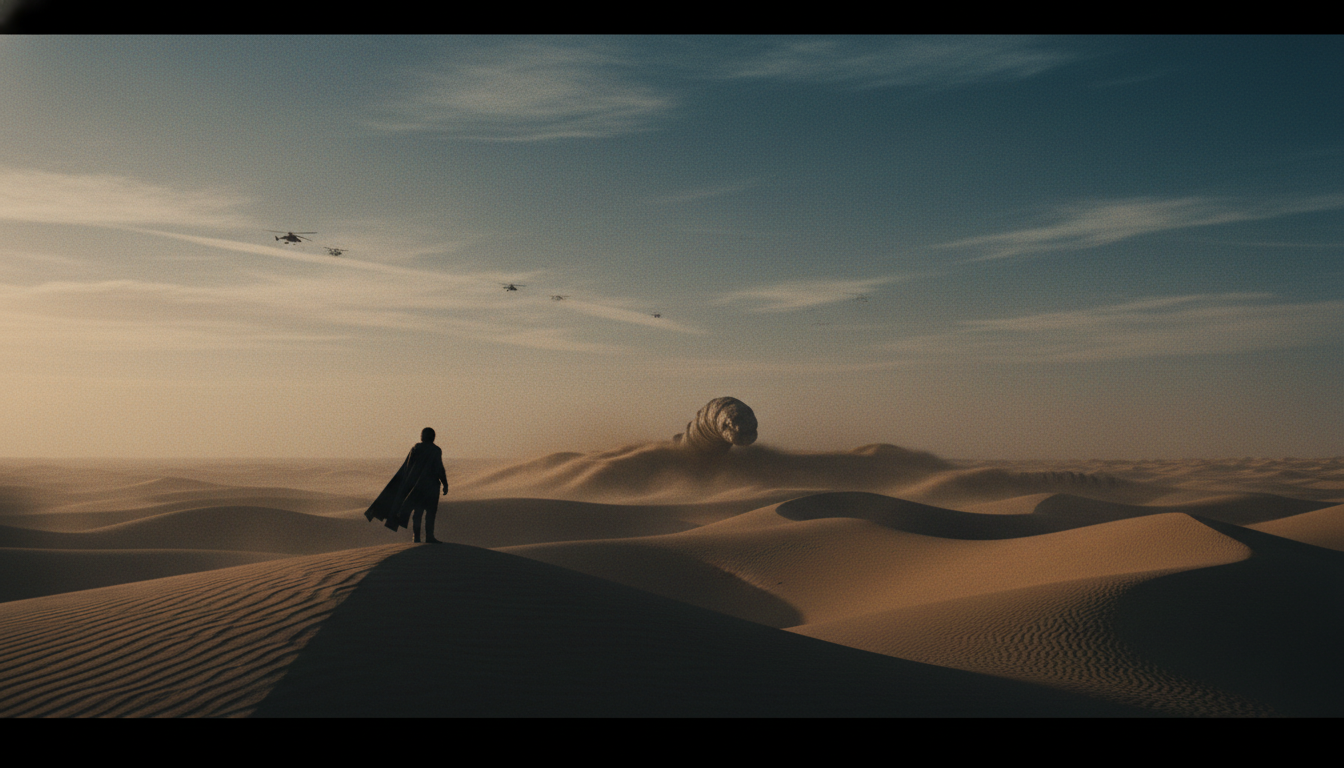
    From the moment the first sand worm roared across the screen in its predecessor, anticipation for Dune: Part Two has been nothing short of immense. Director Denis Villeneuve returns to complete his vision of Frank Herbert’s iconic saga, plunging audiences back into the harsh, mesmerizing world of Arrakis. This sci-fi epic, rich with political intrigue, ecological themes, and spiritual awakening, arrives with colossal expectations. But is Dune: Part Two worth watching? We dive into this cinematic behemoth in our Dune: Part Two spoiler-free review to tell you why it’s a must-see event.

    The Premise

    Picking up immediately where the first film left off, Dune: Part Two continues the perilous journey of Paul Atreides as he seeks revenge against those who destroyed his family. Forced to adapt to the unforgiving desert planet and integrate with the Fremen, Paul grapples with his destiny, a burgeoning love, and the terrifying weight of prophecy. The film expertly expands on the lore, characters, and stakes, exploring the intricate power dynamics between the Great Houses, the Fremen, and the Bene Gesserit, all while hurtling towards an inevitable, earth-shattering confrontation.

    Performances & Direction

    Denis Villeneuve once again proves his mastery of large-scale storytelling, orchestrating a symphony of visual grandeur and intimate character moments. His direction is precise, deliberate, and awe-inspiring, translating Herbert’s complex narrative into a visceral cinematic experience.

    The returning cast delivers powerhouse performances:

    • Timothée Chalamet evolves Paul from a reluctant heir to a figure of immense, conflicted power, carrying the weight of the galaxy on his shoulders with remarkable depth.
    • Zendaya shines as Chani, offering a grounded and vital perspective amidst the escalating mysticism, her performance adding crucial emotional resonance.
    • Rebecca Ferguson as Lady Jessica continues to be a formidable presence, her journey into the heart of Fremen culture revealing new layers of intensity and conviction.
    • Newcomers like Austin Butler as Feyd-Rautha Harkonnen are chillingly effective, delivering a performance that is both terrifying and unforgettable. The entire ensemble cast contributes to the rich tapestry of this universe, each actor fully embodying their role.

    The Big Screen Verdict

    This is where Dune: Part Two truly cements its legendary status. From the sweeping desert vistas to the intricate designs of the Harkonnen strongholds, every frame is a work of art. The cinematography by Greig Fraser is simply breathtaking, utilizing light and shadow to create a palpable atmosphere that feels both alien and incredibly real. The sound design is equally monumental, with the thrum of ornithopters, the thunderous approach of sandworms, and Hans Zimmer’s iconic score enveloping you in the world of Arrakis.

    The visual effects are seamless and utterly convincing, never once pulling you out of the immersion. This film is not just made for the cinema; it demands a premium theater experience. Seeing Dune: Part Two in IMAX or Dolby Cinema isn’t merely an upgrade; it’s an essential part of the experience. The vastness of the landscapes, the scale of the battles, and the intricate details of the production design are all amplified to their fullest potential in these formats. The pacing, while deliberate, builds a relentless tension that culminates in truly epic sequences that will leave you breathless. If you’re looking for the ultimate reason to leave your couch and surrender to the magic of the movies, this is it.

    Final Thoughts

    Dune: Part Two is more than just a sequel; it’s a cinematic triumph that elevates its predecessor and stands as a monumental achievement in the sci-fi genre. It’s a film that will be discussed, analyzed, and revered for years to come. If you’re wondering is Dune: Part Two worth watching, the answer is an resounding yes – it’s an absolute must-see that delivers on every promise. Don’t miss your chance to witness this spectacle unfold on the biggest screen possible. Check the latest movie showtimes now, secure your tickets immediately, and support local cinemas by experiencing this unforgettable journey into the heart of Arrakis.

  • Dune: Part Two Review: A Monumental Sci-Fi Saga That Must Be Seen to Be Believed

    Dune: Part Two Review: A Monumental Sci-Fi Saga That Must Be Seen to Be Believed

    The wait is over, and the spice flows once more! Denis Villeneuve‘s highly anticipated sequel, Dune: Part Two, has arrived in theaters, promising to expand the already breathtaking universe of Frank Herbert’s classic novel. Following the critically acclaimed first installment, expectations for this epic sci-fi adventure have been astronomically high, with fans and critics alike eager to see how the saga of Paul Atreides continues. This film is not merely a continuation; it’s a profound deepening of the narrative, delivering on every promise and then some. Prepare yourself for a cinematic experience that will redefine your understanding of spectacle.

    The Premise

    Dune: Part Two picks up immediately where its predecessor left off, thrusting us further into the perilous world of Arrakis. Paul Atreides, now fully integrated with the Fremen, embraces his destiny as he seeks revenge against those who destroyed his family. This chapter delves deeper into the intricate political machinations, the prophecies surrounding Paul, and the harsh realities of life on the desert planet. It’s a story of survival, rebellion, and the heavy burden of leadership, all set against a backdrop of breathtaking scale and profound spiritual conflict. Rest assured, this Dune: Part Two spoiler-free review ensures you’ll discover its unfolding wonders purely on the big screen.

    Performances & Direction

    Denis Villeneuve once again proves himself a master visionary, crafting a sequel that is both grander in scope and more intimate in its character development. His meticulous direction ensures every frame is imbued with purpose and beauty, guiding us through the complex narrative with unwavering confidence. The performances are nothing short of extraordinary. Timothée Chalamet delivers a nuanced and powerful portrayal of Paul, showcasing his evolution from a hesitant leader to a figure of formidable conviction. Zendaya shines as Chani, whose perspective becomes increasingly central, grounding the epic narrative with a vital human touch. Rebecca Ferguson continues to command the screen as Lady Jessica, her journey into the Bene Gesserit’s deeper mysteries providing some of the film’s most compelling moments. Newcomers like Austin Butler as the terrifying Feyd-Rautha Harkonnen are absolutely chilling, delivering a performance that will haunt your thoughts long after the credits roll. The entire ensemble is perfectly cast, elevating the rich source material to new dramatic heights.

    The Big Screen Verdict

    So, is Dune: Part Two worth watching? Without a shadow of a doubt, yes – and then some. This film is an absolute triumph of cinematic artistry, a true testament to what the medium can achieve. Greig Fraser‘s cinematography is simply unparalleled, capturing the vast, unforgiving beauty of Arrakis with stunning clarity and compositional genius. The sound design, anchored by Hans Zimmer‘s iconic score, is a character unto itself, enveloping you in the roar of sandstorms, the whisper of the desert, and the thunderous might of battle. Every visual effect feels tangible and integrated, building a world that is utterly believable.

    This is not just a movie; it’s an event. To fully appreciate its grandeur, a premium theater experience is not merely recommended, it’s essential. Watching Dune: Part Two in formats like IMAX or Dolby Cinema transforms it from a film into an immersive journey. The expanded aspect ratio, the crystal-clear visuals, and the earth-shattering sound design become integral to the storytelling, allowing you to feel the scale of the sandworms, the intensity of the combat, and the weight of Paul’s decisions. This is the ultimate reason to leave the comfort of your home and witness a modern masterpiece unfold on the biggest screen possible.

    Final Thoughts

    Dune: Part Two is a monumental achievement, a rare sequel that surpasses its already excellent predecessor. It’s a gripping, visually spectacular, and emotionally resonant film that cements its place as a landmark in science fiction cinema. Denis Villeneuve has delivered a film that is both intellectually stimulating and viscerally thrilling, a true testament to the power of big-screen storytelling. Don’t miss your chance to witness this epic unfold. Check the latest movie showtimes now and secure your tickets immediately. Support your local cinemas and immerse yourself in an unforgettable cinematic journey.

  • The Quantum Paradox Review: A Mind-Bending Journey Worth Every Second!

    The Quantum Paradox Review: A Mind-Bending Journey Worth Every Second!

    The cinematic landscape often promises the impossible, but rarely does a film deliver on such grand ambitions with the sheer intellectual rigor and visual splendor of The Quantum Paradox. This highly anticipated sci-fi thriller has been generating an electrifying buzz since its first cryptic trailer, and after experiencing its intricate narrative and breathtaking scope, we can confidently say the hype is entirely justified. Prepare to have your perceptions challenged and your imagination ignited, as this is a film that truly pushes the boundaries of storytelling.

    The Premise

    At its core, The Quantum Paradox delves into the fascinating and perilous world of theoretical physics. The story centers on a brilliant, yet reclusive, group of scientists on the cusp of a revolutionary discovery – one that promises to unlock secrets of the universe previously thought beyond human comprehension. However, as they tamper with forces beyond their understanding, the fabric of reality itself begins to unravel, leading to a cascade of events with global implications. It’s a race against time, not just to understand their findings, but to contain the unintended consequences before existence as we know it is irrevocably altered.

    Performances & Direction

    Director Eleanor Vance orchestrates this complex symphony with masterful precision, guiding the audience through layers of scientific theory and high-stakes drama without ever losing grip on the human element. Her vision for the film is both expansive and intimately personal. Leading the charge, Dr. Aris Thorne, portrayed with captivating intensity by Marcus Bell, delivers a performance that anchors the film’s intellectual weight with profound emotional depth. Bell’s portrayal of a man grappling with both genius and devastating responsibility is utterly compelling. Equally impressive is Lena Petrova, brought to life by Sofia Khan, whose nuanced performance provides a crucial counterpoint to Thorne’s single-minded pursuit. Together, the ensemble cast elevates the intricate script, ensuring that the characters’ personal journeys resonate amidst the grand cosmic spectacle.

    The Big Screen Verdict

    If ever there was a film designed to be experienced on the largest possible canvas, it is The Quantum Paradox. The cinematography by Javier Mendez is nothing short of revolutionary, painting vast, ethereal landscapes and mind-bending visual effects that are simply stunning. Every frame is meticulously crafted, drawing you deeper into its reality-bending world. The sound design is equally impressive, a visceral tapestry of futuristic hums, disorienting echoes, and heart-pounding scores that envelop you, making every ripple in the quantum field feel palpable. To truly appreciate the intricate details, the sweeping vistas, and the immersive audio, a premium theater experience is not just recommended, it’s essential. Watching this film in IMAX or Dolby Cinema transforms it from a mere movie into an unforgettable event, making it abundantly clear why this film demands to be seen beyond the confines of your living room. The sheer scope and ambition of its visual and auditory presentation are the ultimate reasons to leave the house and buy a ticket.

    Final Thoughts

    So, is The Quantum Paradox worth watching? Absolutely, unequivocally yes. It’s a thought-provoking, visually spectacular, and emotionally resonant journey that will stay with you long after the credits roll. For those seeking a truly immersive and intellectually stimulating cinematic adventure, this The Quantum Paradox spoiler-free review confidently declares it a must-see. Don’t miss your chance to witness one of the year’s most ambitious films. Check the latest movie showtimes now, secure your tickets immediately, and support local cinemas by experiencing this marvel on the big screen!

  • Dune: Part Two Release Radar: The Ultimate Big Screen Breakdown

    Dune: Part Two Release Radar: The Ultimate Big Screen Breakdown

    The desert planet Arrakis is calling once more, and this time, the stakes are higher, the worms are bigger, and the prophecy is unfolding with an intensity that threatens to shatter the cinematic landscape. Denis Villeneuve’s highly anticipated sequel, Dune: Part Two, isn’t just an upcoming movie Dune: Part Two; it’s poised to be the definitive event of the year, a monumental continuation that promises to eclipse even its critically acclaimed predecessor. Since the credits rolled on the first chapter, film fans worldwide have been buzzing with anticipation, eager to witness the next stage of Paul Atreides’ epic journey. The cultural impact of Frank Herbert’s universe, coupled with Villeneuve’s visionary adaptation, has created a fervor that few films can match. This isn’t just a sequel; it’s the culmination of years of meticulous planning, a saga demanding to be experienced on the grandest scale possible.

    Premise & The Creative Vision

    Dune: Part Two picks up immediately after the events of the first film, with Paul Atreides (Timothée Chalamet) having assimilated with the Fremen, seeking vengeance against those who destroyed his family. Alongside Chani (Zendaya) and Stilgar (Javier Bardem), Paul must navigate the harsh realities of Arrakis, embrace his destiny as the Kwisatz Haderach, and lead the Fremen in a war against the oppressive Harkonnen regime. But destiny is a treacherous path, and Paul’s choices will have universe-altering consequences.

    Director Denis Villeneuve returns to helm this ambitious second chapter, bringing with him his signature blend of breathtaking visuals, intricate world-building, and profound thematic depth. Known for his work on films like Arrival and Blade Runner 2049, Villeneuve is a master of crafting immersive, thought-provoking science fiction. His collaboration with cinematographer Greig Fraser (an Oscar winner for the first Dune) promises a visual feast, while the returning cast, including Rebecca Ferguson as the enigmatic Lady Jessica and new additions like Austin Butler as Feyd-Rautha Harkonnen and Florence Pugh as Princess Irulan, ensures a powerhouse ensemble. The creative synergy at play here is palpable, promising a film that is not only visually stunning but also emotionally resonant and intellectually stimulating.

    What the Trailers Reveal

    The Dune: Part Two trailer drops have been nothing short of spectacular, offering tantalizing glimpses into the sheer scale and intensity of the upcoming conflict. From the initial teasers, it’s clear that Villeneuve has amplified everything that made the first film great. We see Paul learning to ride a sandworm, a moment that promises to be one of the most iconic sequences in modern sci-fi. The visuals are gritty yet majestic, showcasing the desolate beauty of Arrakis alongside the brutalist architecture of Harkonnen power. The color palette remains largely desaturated, emphasizing the harshness of the desert, but punctuated by flashes of vibrant Fremen culture and the intense blue of the Spice-addled eyes.

    The tone is unmistakably epic and serious, with a pervasive sense of impending doom and the weight of prophecy. The pacing appears to be a masterful balance between intimate character moments and sprawling, high-octane battle sequences. We get glimpses of massive Fremen armies clashing with Harkonnen legions, the terrifying might of the sandworms, and the quiet, intense chemistry between Paul and Chani. The trailers hint at a cerebral narrative, exploring themes of leadership, religion, and environmentalism, all wrapped in a visually arresting package that feels both ancient and futuristic.

    Why It Demands the Big Screen Experience

    Let’s be unequivocally clear: Dune: Part Two is not just a movie; it is an event designed from the ground up for the ultimate theatrical experience. To watch this film anywhere other than a premium cinema is to deny yourself the full, overwhelming sensory journey that Villeneuve and his team have painstakingly crafted. This is precisely why “Now In Theaters” exists – to champion films that demand the biggest screen and the best sound.

    Imagine the colossal scale of the sandworms, not just on your TV, but towering over you in IMAX, their roars vibrating through your very bones thanks to a state-of-the-art sound system. Picture the sprawling desert landscapes, captured by Greig Fraser’s masterful cinematography, filling your peripheral vision in a Dolby Cinema auditorium, where every grain of sand feels tangible. The sheer scope of the battle sequences, the intricate details of the costumes and set designs, the subtle expressions on the actors’ faces – all these elements are amplified exponentially on the big screen, allowing you to truly immerse yourself in Arrakis.

    The sound design, often overlooked, is a character unto itself in Dune: Part Two. Hans Zimmer’s score, a blend of orchestral might and otherworldly ethnic instruments, will envelop you, creating an atmosphere that is both awe-inspiring and deeply unsettling. In a theater, every thrum of a ornithopter, every whisper of the wind across the dunes, and every bone-rattling explosion will be delivered with unparalleled clarity and impact. Beyond the technical brilliance, there’s the collective energy of the audience – the shared gasps, the communal awe, the palpable tension that only a packed cinema can provide. It transforms a viewing into a shared cultural moment, a pilgrimage to witness cinematic history unfold. This is a film that was born for the giant screen, a testament to the enduring power of the movie theater.

    The Final Countdown

    Dune: Part Two is shaping up to be a monumental achievement, a film that not only continues a beloved saga but elevates it to new, breathtaking heights. It’s a must-see for fans of epic science fiction, intricate world-building, and thought-provoking narratives. If you were captivated by the first film, prepare to be utterly consumed by this one. If you’re new to the world of Arrakis, now is the perfect time to catch up and prepare for a cinematic journey unlike any other.

    This is more than just an upcoming movie Dune: Part Two; it’s an experience that will be discussed, dissected, and revered for years to come. Don’t miss your chance to witness Paul Atreides’ destiny unfold on the grandest canvas possible. Bookmark “Now In Theaters” for our full review and to find local Dune: Part Two showtimes as soon as they’re available. Prepare yourself, for the spice will flow, and the cinematic universe will never be the same.

  • Dune: Part Two Release Radar: The Epic Saga Returns to the Big Screen

    Dune: Part Two Release Radar: The Epic Saga Returns to the Big Screen

    The spice must flow, and with it, an undeniable current of anticipation that has been building since the credits rolled on its predecessor. Dune: Part Two isn’t just an upcoming movie Dune: Part Two; it’s a cinematic event of seismic proportions, poised to redefine the modern sci-fi epic. The industry buzz is deafening, and for good reason: director Denis Villeneuve has proven his singular vision can translate Frank Herbert’s dense, philosophical masterpiece into a breathtaking, immersive experience that resonates deeply with contemporary audiences. This isn’t merely a sequel; it’s the thrilling continuation of a saga that blends myth, politics, and environmental prophecy into a tapestry of unparalleled grandeur. Film fans, prepare yourselves – the desert planet Arrakis is calling, and its secrets are about to unfold on the grandest stage imaginable.

    Premise & The Creative Vision

    Picking up immediately where the first film left off, Dune: Part Two plunges deeper into the heart of Arrakis and the burgeoning legend of Paul Atreides. Having escaped the Harkonnen genocide, Paul (portrayed with astonishing depth by Timothée Chalamet) is now fully integrated with the Fremen, seeking to understand their ways and embrace his destiny. Alongside Chani (a fierce and captivating Zendaya) and Stilgar (the stoic Javier Bardem), Paul must navigate the treacherous politics of the desert, unite the Fremen, and confront the forces that destroyed his family. But his path to revenge is intertwined with a terrifying prophecy, forcing him to choose between love and the fate of the universe.

    Villeneuve’s creative vision remains the bedrock of this ambitious project. His meticulous attention to detail, his mastery of scale, and his ability to craft an atmosphere that feels both alien and intimately human are unparalleled. The returning ensemble cast, including the formidable Rebecca Ferguson as Lady Jessica, is joined by an array of phenomenal new talents. Austin Butler steps into the chilling role of Feyd-Rautha, promising a performance of sinister allure. Florence Pugh brings gravitas as Princess Irulan, while Christopher Walken commands as the enigmatic Emperor Shaddam IV. This convergence of talent, guided by Villeneuve’s steady hand, promises a narrative as compelling as it is visually spectacular.

    What the Trailers Reveal

    Every glimpse of the Dune: Part Two trailer has served to heighten the anticipation, offering tantalizing snippets of the visual feast awaiting us. The aesthetic remains breathtakingly grand: vast, desolate landscapes of Arrakis stretch into infinity, punctuated by the intricate, organic designs of Fremen technology and the brutalist architecture of the Harkonnen strongholds. The tone is palpably intense, a blend of epic action, foreboding mysticism, and profound emotional stakes. We’ve seen tantalizing shots of Paul learning the ways of the Fremen, mastering the desert, and, crucially, riding a colossal sandworm – a sequence that promises to be one of the most iconic in modern cinema.

    The pacing suggested by the trailers is a masterful balance of quiet, contemplative moments and explosive, high-octane sequences. From intimate character interactions under the twin suns to sprawling battles involving thousands of warriors, the scale is consistently awe-inspiring. The vibe is unmistakably that of a true sci-fi epic, a war film, a coming-of-age story, and a political thriller all rolled into one. The trailers hint at a darker, more morally ambiguous journey for Paul, promising a narrative that challenges expectations and delves deeper into the complex themes of power, religion, and destiny that define Herbert’s universe.

    Why It Demands the Big Screen Experience

    Let’s be unequivocally clear: Dune: Part Two is not merely a movie to be watched; it is an experience to be absorbed, to be lived, to be felt in the deepest recesses of your being. This film has been meticulously crafted from the ground up to be a monumental theatrical experience, and anything less than a premium cinema viewing would be a disservice to the artists who poured their souls into its creation. The sheer scale of Arrakis, the colossal sandworms, and the epic battles between the Fremen and the Harkonnens are designed for the largest screens available – think IMAX, Dolby Cinema, or any format that can convey the sheer enormity of Villeneuve’s vision.

    Greig Fraser‘s cinematography is not just beautiful; it’s a character in itself, painting the desert with light and shadow, capturing both the vastness of the landscape and the nuanced emotions of its inhabitants. To witness this artistry on anything less than a towering screen is to miss the very essence of its power. Coupled with the legendary sound design and Hans Zimmer‘s haunting, immersive score, the film becomes a symphony for the senses. The rumble of a thumper calling a sandworm, the whisper of the Bene Gesserit, the thunder of a thousand feet charging across the sand – these are sounds that demand to be felt in the chest, to envelop you in the darkness of a state-of-the-art auditorium. The collective energy of a theater audience, gasping, cheering, and sharing in this monumental narrative, is an irreplaceable part of the magic. This isn’t just about seeing the film; it’s about being transported to Arrakis, feeling the sand beneath your feet, and breathing the spice-infused air. The theatrical experience is not optional; it is mandatory.

    The Final Countdown

    As the release date for this highly anticipated upcoming movie Dune: Part Two draws near, the excitement is reaching a fever pitch. This is a film for anyone who craves grand storytelling, breathtaking visuals, and a truly immersive cinematic journey. Whether you’re a devoted fan of Frank Herbert’s novels, were captivated by the first film, or simply seek an unparalleled big-screen adventure, Dune: Part Two is poised to deliver.

    Prepare to be mesmerized, challenged, and utterly swept away. This is more than just a sequel; it’s the continuation of a legacy, a testament to the power of cinema, and an unforgettable chapter in a story that continues to resonate across generations. Don’t just hear about it; experience it. Bookmark Now In Theaters for our full review and to find Dune: Part Two showtimes at a premium cinema near you. The fate of Arrakis awaits!

  • Echoes of the Void: Why This Upcoming Sci-Fi Epic Is a Must-See Theatrical Event

    Echoes of the Void: Why This Upcoming Sci-Fi Epic Is a Must-See Theatrical Event

    The hum of anticipation is growing louder across the cinematic universe, reaching a crescendo as we approach the release of what many are already calling the defining science fiction event of the decade: Echoes of the Void. From hushed whispers at industry screenings to fervent discussions ignited by its breathtaking teasers, the buzz surrounding this upcoming movie Echoes of the Void is undeniable. It’s not just another space opera; it promises to be a cerebral, visually audacious journey that challenges perceptions and pushes the boundaries of storytelling. For serious film enthusiasts and casual moviegoers alike, this is the kind of project that reminds us why we fall in love with cinema in the first place.

    Echoes of the Void arrives with the weight of immense expectations, not only because of its groundbreaking premise but also due to the visionary talent helming and starring in it. This isn’t just a film; it’s a cultural phenomenon in the making, a cinematic experience crafted to linger long after the credits roll.

    Premise & The Creative Vision

    At its core, Echoes of the Void plunges humanity into an existential quandary. The narrative centers on a highly specialized deep-space reconnaissance team, led by the brilliant but haunted astrophysicist, Dr. Aris Thorne (portrayed with compelling intensity by the consistently captivating Elias Vance), and the pragmatic, battle-hardened pilot, Commander Eva Rostova (a commanding performance from the versatile Seraphina Liu). Their mission: to investigate a cryptic, ancient signal emanating from a region of space previously thought to be devoid of intelligent life. What they discover transcends mere alien contact; it’s a monumental, silent monument to a civilization far beyond human comprehension, holding secrets that could either illuminate humanity’s future or spell its ultimate doom.

    The film is the brainchild of acclaimed director Lena Kael, a name synonymous with visually stunning, character-driven sci-fi that never shies away from profound philosophical questions. Kael, known for her masterful blend of grand spectacle and intimate human drama in films like ‘Aether’s Edge’, brings her signature touch to Echoes of the Void. Her vision is to create not just a story, but an immersive experience where the vastness of space mirrors the depths of the human psyche. The synergy between Kael’s visionary direction and the raw, nuanced performances of Vance and Liu promises a narrative that is as intellectually stimulating as it is emotionally resonant.

    What the Trailers Reveal

    The initial glimpses offered by the Echoes of the Void trailer have already sent shockwaves through the industry, painting a picture of a film that is both breathtakingly beautiful and terrifyingly immense. The visual aesthetic can only be described as ‘Gothic futurism,’ blending sleek, advanced technology with an almost ancient, haunting grandeur in the alien environments. We’ve seen colossal, intricately detailed alien architecture, pulsating with an unknown energy, dwarfing human starships and instilling a palpable sense of awe and dread.

    The trailer’s tone is a masterclass in controlled tension. It opens with an almost serene, meditative quality, showcasing vast cosmic landscapes and silent, drifting spacecraft. This quickly gives way to an escalating sense of unease, punctuated by flashes of high-octane action, perplexing discoveries, and moments of sheer, unadulterated terror. The pacing suggests a slow-burn mystery that builds inexorably towards explosive revelations, promising a narrative that will keep audiences on the edge of their seats. The sound design hints at a universe alive with haunting alien whispers, deep, resonant bass notes that vibrate through you, and a soaring orchestral score that elevates every frame to epic proportions.

    Why It Demands the Big Screen Experience

    If ever there was a film meticulously crafted to be experienced solely within the hallowed halls of a cinema, it is Echoes of the Void. This is not a film meant for the confines of a living room television or a tablet screen; it is an event designed to envelop every one of your senses. The sheer scale of its cosmic vistas, the sweeping interstellar journeys, and the monumental, ancient alien structures are simply not comprehensible outside the immersive environment of a premium theater.

    The cinematography, spearheaded by the renowned Marcus Thorne, is a character in itself. Thorne’s signature expansive wide shots and intricate lighting design, capturing the ethereal glow of alien environments and the stark reality of deep space, will be diminished without the colossal canvas of the silver screen. Every meticulously crafted detail, every subtle shift in light and shadow, is integral to the storytelling and demands to be seen in its intended grandeur. Furthermore, the sound design, sculpted by Oscar-winning audio architect Anya Sharma, is an immersive masterpiece. Every alien hum, every starship tremor, every whispered secret or booming explosion is designed to resonate through a theater’s surround sound system, creating a visceral, bone-rattling experience that simply cannot be replicated elsewhere. To truly appreciate the film’s intended impact, the collective energy of a theater audience – the shared gasps, the communal silence, the unified roar of excitement – is an irreplaceable part of the theatrical experience. For an unparalleled visual and auditory journey, seeking out Echoes of the Void in IMAX or Dolby Cinema is not merely recommended, it’s essential to witness the film as its creators envisioned it.

    The Final Countdown

    Echoes of the Void is poised to be more than just a movie; it’s an odyssey. It’s for those who crave intelligent science fiction that dares to ask big questions, for those who yearn for grand spectacle that doesn’t sacrifice character, and for anyone ready to be transported to a universe both alien and eerily familiar. This is a film that promises to spark conversation, ignite the imagination, and leave an indelible mark on the cinematic landscape.

    Don’t just watch Echoes of the Void; experience it. Prepare to be awestruck, challenged, and utterly captivated. This is the must-see theatrical event of the season, and you won’t want to miss the opportunity to witness its cosmic grandeur unfold on the biggest screen possible. Bookmark Now In Theaters for our full review and to easily find your local Echoes of the Void showtimes as soon as tickets become available. The void awaits, and it’s calling your name.

  • Echoes of the Void Release Radar: Why This Sci-Fi Epic Demands Your Immediate Attention

    Echoes of the Void Release Radar: Why This Sci-Fi Epic Demands Your Immediate Attention

    In an era where cinematic universes and familiar franchises often dominate the marquee, a truly original vision can feel like a breath of fresh, interstellar air. Such is the palpable buzz surrounding the upcoming movie Echoes of the Void, a film that promises to redefine the boundaries of science fiction and deliver an experience unlike anything we’ve witnessed in years. From its cryptic early teasers to the fervent discussions ignited across film forums, this project has rapidly ascended to the top of every cinephile’s must-see list, positioning itself as the definitive theatrical event of the season. “Now In Theaters” has been tracking this one closely, and we can confidently say: prepare for a journey.

    Premise & The Creative Vision

    Echoes of the Void plunges us into the profound silence of deep space, following the crew of the exploratory vessel *Artemis* on a mission to chart uncharted nebulae. What begins as a scientific endeavor swiftly unravels into an existential nightmare when they stumble upon an anomaly that defies all known physics – a vast, sentient void that communicates not with sound, but with the deepest fears and forgotten memories of those who perceive it. The film masterfully explores themes of isolation, the fragility of the human psyche, and humanity’s place in an indifferent, unfathomable cosmos.

    At the helm is visionary director Elara Vance, a filmmaker celebrated for her ability to blend breathtaking visuals with profound philosophical narratives, as seen in her critically acclaimed works like “Starlight Requiem” and The Chronos Paradox.” Vance’s unique aesthetic, characterized by meticulous world-building and a haunting sense of scale, is perfectly suited to this ambitious material. Leading the stellar ensemble are **Javier Pena** (known for his intense, layered performances in dramas like “The Obsidian Labyrinth”) and **Lena Dubois** (whose nuanced portrayals in films such as “Whispers of the Machine” have garnered widespread praise). Their combined gravitas promises to anchor the film’s high-concept premise with deeply human emotional stakes, ensuring that while the cosmos may be vast, the heart of the story remains intensely personal.

    What the Trailers Reveal

    The **Echoes of the Void trailer** released last month was a masterclass in atmospheric tension and tantalizing mystery, immediately setting a tone that is both awe-inspiring and deeply unsettling. We caught glimpses of the *Artemis* – a sleek, utilitarian vessel – dwarfed by cosmic wonders: nebulae swirling with impossible colors, vast asteroid fields, and the ominous, pulsating expanse of the ‘void’ itself. The visual aesthetic is a stunning blend of gritty realism for the ship’s interiors and hyper-stylized, almost psychedelic grandeur for the cosmic phenomena. The pacing in the trailer is deliberate, building slowly from quiet contemplation to moments of heart-stopping terror, punctuated by sudden, disorienting shifts in perspective.

    What truly stands out is the implied sound design – or lack thereof. The trailer uses silence as a weapon, emphasizing the vacuum of space before unleashing guttural, otherworldly reverberations that seem to emanate from within the characters’ own minds. It’s clear that Vance is crafting a sensory experience designed to burrow under your skin, a cerebral horror that preys on the unknown. The glimpses of **Pena** and **Dubois** show them grappling with unseen forces, their faces etched with a mixture of wonder and profound dread, hinting at performances that will be as captivating as the visual spectacle.

    Why It Demands the Big Screen Experience

    This is not merely a movie; it is an event, and one that absolutely *demands* the full **theatrical experience**. To truly appreciate the cosmic scale and intricate soundscapes of Echoes of the Void, a premium cinema environment is not just recommended, it’s mandatory. Imagine the vastness of the ‘void’ engulfing the entire screen in **IMAX**, its impossible colors bleeding into your peripheral vision, making you feel as though you are adrift alongside the *Artemis* crew. The cinematography, from what we’ve seen, is designed to be monumental, with sweeping wide shots of nebulae and tight, claustrophobic close-ups that will feel infinitely more impactful when projected onto a towering screen.

    Furthermore, **Elara Vance’s** known penchant for immersive sound design will be fully unleashed in a **Dolby Cinema** or similar advanced audio setup. The subtle hum of the ship, the chilling silence of space, and those terrifying, internal ‘echoes’ will reverberate through your very core, creating a visceral, all-encompassing sensation that simply cannot be replicated on a television screen, no matter how large or advanced. The collective gasp of an audience, the shared tension in a darkened theater, elevates the psychological impact of the film, transforming a viewing into a communal journey into the unknown. This is a film engineered from the ground up to be a monumental **theatrical experience**, where every meticulously crafted detail, from the grandest cosmic vista to the faintest whisper of dread, is amplified to its intended, awe-inspiring potential.

    The Final Countdown

    Echoes of the Void is shaping up to be a landmark achievement in science fiction cinema, a film that promises not just entertainment, but a profound and unforgettable journey into the furthest reaches of space and mind. It’s a must-see for anyone who craves intelligent, visually stunning storytelling, fans of cerebral horror, and those who appreciate the true power of the big screen. Mark your calendars, because this is the kind of cinematic spectacle that will be talked about for years to come.

    Don’t miss your chance to witness this epic unfold. Keep an eye on “Now In Theaters” for our full review and comprehensive **Echoes of the Void showtimes** in your local area as release day approaches. Prepare to lose yourself in the void – you might just find something extraordinary.

  • From Kinetoscope to IMAX: Why the Big Screen Spectacle Still Reigns Supreme

    From Kinetoscope to IMAX: Why the Big Screen Spectacle Still Reigns Supreme

    In an age where every living room boasts a high-definition screen and streaming services deliver an endless bounty of content to our fingertips, a critical question looms: has the traditional cinematic experience become an anachronism? Yet, as recent blockbusters like Dune: Part Two and Oppenheimer shatter box office expectations and ignite fervent discussions about their visual and auditory grandeur, it becomes abundantly clear that the allure of the darkened theater, the colossal screen, and the thunderous sound system remains potent. This isn’t just about watching a film; it’s about surrendering to a collective ritual, a journey into the heart of visual storytelling in cinema that home viewing, however advanced, simply cannot replicate.

    The Art of Illusion: A Deep Dive into Filmmaking’s Evolution

    The journey from the flickering novelty of the Lumière brothers’ Arrival of a Train at La Ciotat Station to the hyper-realistic worlds crafted by today’s digital artists is a testament to the relentless evolution of filmmaking. Early pioneers like Georges Méliès understood cinema’s power to transport, employing groundbreaking practical effects to create fantastical narratives. The silent era, far from being truly “silent,” relied on live music and intertitles, showcasing an early form of immersive storytelling. The advent of synchronized sound in The Jazz Singer (1927) revolutionized the medium, opening new avenues for character development and narrative depth. Later, the introduction of vibrant color, widescreen formats like Cinemascope, and sophisticated special effects—from the stop-motion wizardry of Ray Harryhausen to the digital marvels of Industrial Light & Magic—consistently pushed the boundaries of what was possible on screen.

    At its core, cinema is an art of illusion, a meticulously crafted dance of light and shadow, movement and stillness. Directors like Orson Welles in Citizen Kane (1941) pioneered deep focus cinematography, allowing multiple planes of action to remain sharp simultaneously, demanding the viewer’s eye to explore the frame. Stanley Kubrick’s 2001: A Space Odyssey (1968) stands as a monumental example of visual storytelling in cinema, conveying complex philosophical ideas with minimal dialogue, relying instead on breathtaking cosmic vistas and iconic imagery. More recently, the kinetic chaos of George Miller’s Mad Max: Fury Road (2015) demonstrated how precise editing, practical effects, and a relentless pace can create an almost visceral experience, a masterclass in controlled pandemonium that is truly appreciated on a grand scale. These films, across generations, underscore that the medium’s strength lies not just in what it shows, but how it shows it.

    Equally critical, yet often underestimated, is the impact of sound design in movies. Far beyond mere dialogue and a musical score, sound creates atmosphere, builds tension, and guides our emotional response. Think of the disorienting, omnipresent helicopter blades in Francis Ford Coppola’s Apocalypse Now (1979), which become a character unto themselves. Or the almost unbearable silence punctuated by terrifyingly subtle rustles in John Krasinski’s A Quiet Place (2018), where sound—or the lack thereof—is the very fabric of fear. Christopher Nolan’s Dunkirk (2017) utilized Hans Zimmer’s ticking score and a meticulously layered soundscape of waves, gunfire, and desperate whispers to plunge audiences directly into the harrowing experience of war, a testament to how sound can be as immersive as any visual.

    The Theatrical Connection: Beyond the Living Room

    This brings us to the irreplaceable big screen experience. While home theaters have advanced remarkably, they cannot replicate the sheer scale, the engulfing darkness, and the absence of domestic distractions that define the cinema. The screen isn’t just large; it fills your peripheral vision, eliminating the outside world and drawing you completely into the film’s reality. This immersive quality is precisely what current movie theater trends are capitalizing on, pushing the boundaries of what a cinema can offer.

    Premium theater formats like IMAX and Dolby Cinema are at the forefront of this revolution. IMAX, with its gargantuan screens and specially designed projection systems, delivers unparalleled visual clarity and brightness, making every detail pop and every landscape breathtaking. When a film like Avatar: The Way of Water is presented in IMAX 3D, the sense of depth and immersion transcends mere viewing; it becomes an almost tangible journey into Pandora. Dolby Cinema, on the other hand, combines Dolby Vision (with its incredible contrast and color accuracy) with Dolby Atmos sound. Dolby Atmos is not just surround sound; it’s object-based audio that places individual sounds precisely in a three-dimensional space, including overhead, creating a truly enveloping auditory experience. A spaceship flying overhead doesn’t just pass from left to right; you feel its trajectory above you. Even formats like 4DX add physical sensations—wind, mist, seat vibrations—further blurring the line between viewer and narrative.

    But beyond the technological marvels, there’s the intangible magic of communal viewing. The shared gasp at a plot twist, the collective laughter, the palpable tension during a suspenseful sequence—these are experiences amplified by the presence of a hundred strangers sharing the same emotional journey. It’s a fundamental aspect of human connection, a shared vulnerability in the face of powerful storytelling that transforms a simple movie outing into a memorable cultural event.

    The Final Takeaway: Reclaiming the Spectacle

    The cinematic experience is not just a relic of the past; it’s an evolving art form that continually redefines its potential. From the earliest flickering images to today’s hyper-realistic digital landscapes and object-based soundscapes, the history of cinematic techniques demonstrates a consistent drive towards greater immersion and emotional resonance. While streaming offers convenience, it often sacrifices the very elements that make cinema a truly transformative art form.

    So, the next time you consider watching a highly anticipated film, pause. Reflect on the meticulous craft that went into its visual storytelling, the hours dedicated to its sound design, and the centuries of innovation that led to its creation. Then, make the pilgrimage to your local cinema, especially one equipped with premium theater formats. Support the spaces that keep this grand tradition alive. Don’t just watch a movie; experience it. Let the darkness envelop you, let the sound wash over you, and let the colossal image transport you. For in that shared darkness, the true magic of cinema endures, a powerful, collective dream that only the big screen can fully deliver.