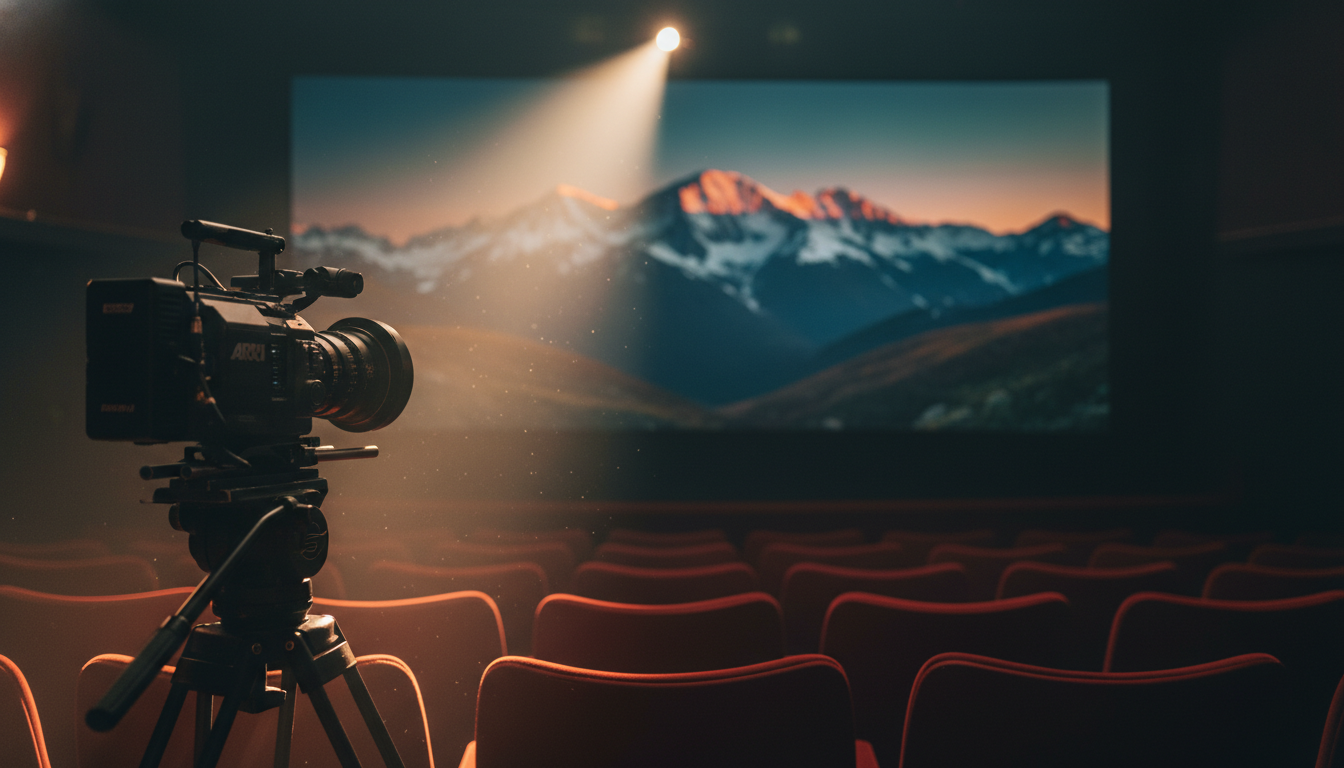
The conversation around cinema today often devolves into debates about streaming versus theatrical releases, or the latest superhero spectacle versus prestige drama. Amidst this clamor, one fundamental element frequently gets overlooked, yet it remains the very soul of the cinematic experience: The Art of Cinematography. As movie theater trends continue to shift, and as home viewing setups become increasingly sophisticated, it’s crucial to remember that the magic isn’t just in the story or the actors, but in how that story is seen. From the sun-drenched, dusty plains of Dune: Part Two to the stark, intimate black-and-white of Oppenheimer‘s past sequences, the visual language crafted by cinematographers is the primary conduit for emotion, atmosphere, and narrative depth, demanding our full attention on the grandest canvas possible.
The Language of Light and Shadow
The Art of Cinematography is far more than simply “taking pretty pictures.” It is the deliberate craft of capturing light, movement, and composition to tell a story. It encompasses everything from the choice of lens and film stock (or digital sensor) to the intricate dance of camera movement, the precise manipulation of lighting, and the thoughtful application of color palettes. This intricate dance is central to the evolution of filmmaking itself, shaping how stories are perceived and felt.
The history of cinematic techniques reveals a relentless pursuit of visual innovation. Early pioneers like Georges Méliès understood the power of the frame, even if his shots were static. It was D.W. Griffith who pushed the boundaries with close-ups, tracking shots, and dynamic editing, beginning to sculpt a visual grammar. German Expressionism, epitomized by films like The Cabinet of Dr. Caligari (1920), masterfully used highly stylized lighting and distorted sets to evoke psychological states, proving that the visual could be as narrative as the dialogue.
The Golden Age of Hollywood brought us the unparalleled genius of cinematographers like Gregg Toland, whose groundbreaking work on Citizen Kane (1941) introduced deep focus, allowing multiple planes of action to remain sharp simultaneously, fundamentally altering visual storytelling in cinema. His use of low-key lighting and chiaroscuro became synonymous with film noir, creating worlds of moral ambiguity and suspense. Later, New Hollywood auteurs and their DPs, such as Gordon Willis with The Godfather trilogy, embraced a more naturalistic, often muted palette, stripping away artificiality to reveal gritty realism.
In the contemporary landscape, The Art of Cinematography continues to evolve at a breathtaking pace. Masters like Roger Deakins (known for Blade Runner 2049, Sicario, and 1917) demonstrate unparalleled control over light, shadow, and color, often creating images so painterly they transcend mere documentation. His work on 1917, with its seemingly seamless long takes, wasn’t just a technical marvel but a profound exercise in immersive visual storytelling in cinema, placing the audience directly into the harrowing journey. Similarly, Hoyte van Hoytema‘s expansive, often tactile work on films like Dunkirk, Interstellar, and the recent Oppenheimer (shot partly on IMAX 65mm black-and-white film) showcases a dedication to capturing immense scale and intricate detail, leveraging the very latest in camera technology to push the boundaries of what’s possible. These cinematographers are not just operators; they are visual poets, dictating our gaze, manipulating our emotions, and building entire worlds through their lenses.
The Canvas Demands the Grand Scale
While streaming services offer unparalleled convenience, they inherently compromise the integrity of The Art of Cinematography. The nuanced interplay of light and shadow, the subtle gradations of color, the breathtaking scope of a wide shot, or the intimate detail of a close-up – these elements are meticulously crafted for the big screen experience. A meticulously lit scene designed to slowly reveal a character’s face, or a vast landscape shot intended to dwarf the human figures within it, loses much of its intended impact when shrunk to a television, tablet, or phone screen.
This is where premium theater formats like IMAX, Dolby Cinema, and even traditional large-format screens become indispensable. In these environments, the sheer scale of the image fills our peripheral vision, eliminating distractions and fostering a profound sense of immersion. The depth of field, the texture of costumes, the intricate details of production design – all come alive with a fidelity impossible to replicate at home. Furthermore, the impact of sound design in movies is inextricably linked to the visual. A powerful shot of a spaceship drifting through space, amplified by the precise, enveloping audio of a Dolby Atmos system, creates a sensory cinematic experience that transcends mere entertainment. The low rumble of an incoming threat, the crisp snap of a twig in a desolate forest, or the overwhelming crescendo of an orchestral score are all carefully calibrated to complement and deepen the visual narrative.
The collective hush of an audience, the shared gasp, the communal roar of laughter or tears – these are all part of the unique magic that the big screen facilitates. When a cinematographer’s vision is projected onto a canvas forty feet wide, surrounded by perfectly tuned audio, the film ceases to be just a story and becomes a visceral, shared journey. It’s an experience designed to command attention, to awe, and to transport.
The Future is Framed
The Art of Cinematography is not a mere technicality; it is the very heartbeat of a film, the silent narrator that guides us through every frame. It’s the reason why certain scenes linger in our memories long after the credits roll, why we feel a character’s despair through a single, perfectly composed shot, or why an alien world feels utterly real. It is the culmination of centuries of artistic tradition, refined through the evolution of filmmaking, now brought to life through pixels and projection.
As viewers, we have a responsibility to appreciate this profound craft. The next time you settle into your seat, whether it’s for a sprawling epic or an intimate drama, pay attention to how the film looks. Notice the way light falls, the movement of the camera, the colors that saturate the screen. Understand that these choices are deliberate, designed to evoke, to inform, and to move you. To truly honor the incredible effort and artistry behind visual storytelling in cinema, we must seek out the optimal cinematic experience – which, more often than not, means stepping into a brick-and-mortar cinema. Support your local theaters, embrace the big screen experience, and rediscover the unparalleled power of a story beautifully told, one frame at a time. The future of cinema depends not just on what stories we tell, but on how we choose to see them.