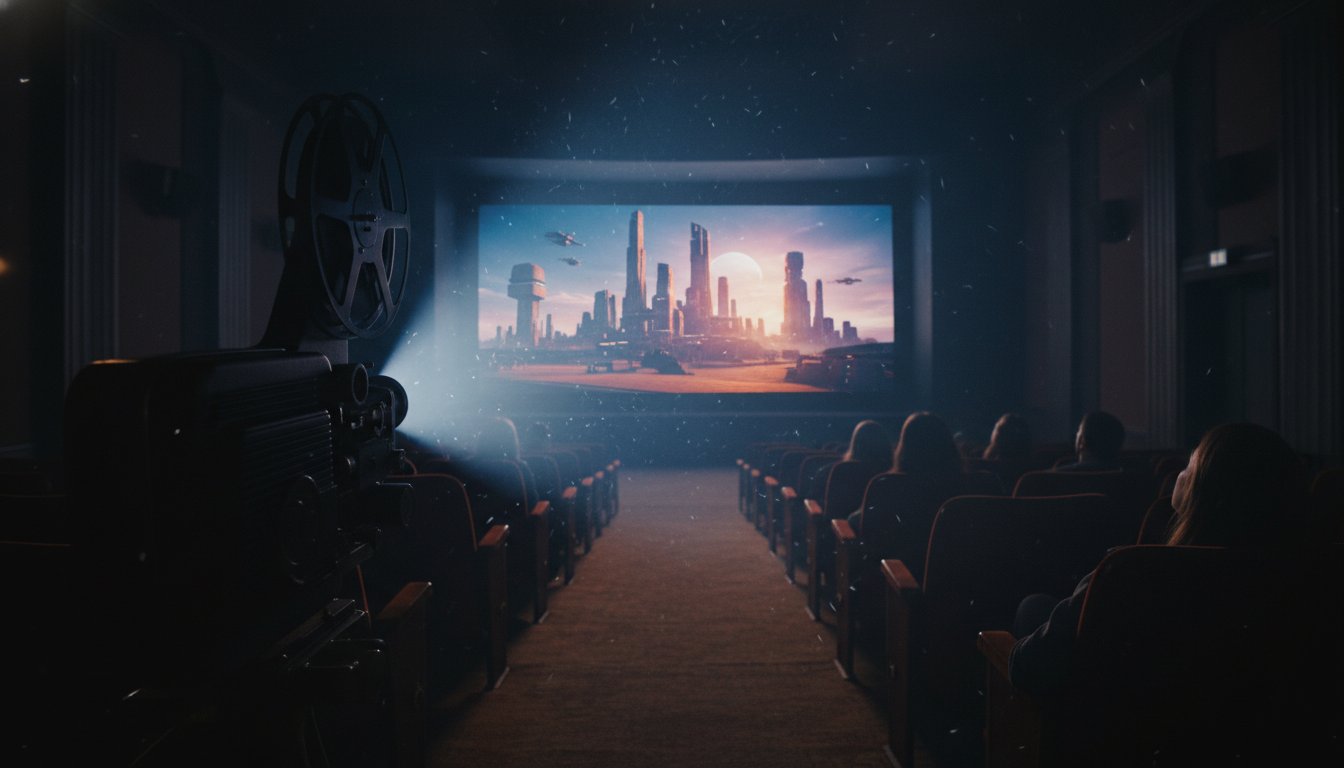
In an era dominated by sprawling streaming libraries and ever-more sophisticated home entertainment systems, a persistent question echoes through the hallowed halls of film criticism: is the traditional cinematic experience still relevant? With new blockbusters often landing on digital platforms mere weeks after their theatrical debut, and the comfort of our couches proving increasingly seductive, it’s easy to believe that the grand spectacle of the silver screen is a relic. Yet, films like Dune: Part Two, with its breathtaking vistas and thunderous sound design, or the visceral immersion of Oppenheimer in IMAX, serve as potent reminders that some stories aren’t just *watched* – they are *experienced*. We are at a pivotal moment, witnessing significant movie theater trends that challenge and redefine what it means to go to the movies, forcing us to reconsider the intrinsic value of the collective, big-screen encounter.
The Evolution of a Shared Dream
To truly appreciate the enduring power of cinema, one must first understand its foundations. The history of cinematic techniques is a saga of relentless innovation, a quest to capture and project reality, then to bend it to the will of imagination. From the Lumière brothers’ “Arrival of a Train at La Ciotat Station” famously startling audiences, to Georges Méliès‘ fantastical “A Trip to the Moon” which pioneered special effects, early filmmakers were not just telling stories; they were inventing a language. The advent of synchronized sound in The Jazz Singer (1927) shattered the silent era, forever changing visual storytelling in cinema by adding an entirely new dimension of expression. Color, widescreen formats like CinemaScope, and eventually digital filmmaking each marked revolutionary shifts, expanding the canvas and palette available to directors.
Modern filmmaking continues this relentless evolution. Directors today leverage an unprecedented array of tools to craft their visions. Consider the meticulous framing and breathtaking scale in the works of Denis Villeneuve, where every shot in films like Arrival or Blade Runner 2049 feels meticulously composed, demanding to be seen on a screen that can convey its immensity. Or the kinetic, immersive camera work of a director like Emmanuel Lubezki in films such as Birdman or The Revenant, which pulls the audience directly into the character’s immediate, often harrowing, experience. This continuous refinement of technique – from the most subtle lighting choice to the most audacious special effect – underscores the filmmakers’ unwavering commitment to pushing the boundaries of what is possible within the frame, always with the implicit understanding that these details will be magnified and absorbed by a captive audience.
The Symphony of Sight and Sound on the Big Screen
This brings us directly to the heart of the matter: the irreplaceable value of the big screen experience. It’s not merely about size; it’s about immersion, fidelity, and the deliberate artistic choices that come alive only in a dedicated theatrical setting. A significant, often underappreciated, component of this immersion is the impact of sound design in movies. Legendary sound designers like Walter Murch, whose work on Apocalypse Now redefined sonic landscapes, or Ben Burtt, who created the iconic sounds of the Star Wars universe, proved that sound is not just an accompaniment but a fundamental narrative tool. It shapes mood, builds tension, guides attention, and deepens emotional resonance.
In today’s premium theater formats like IMAX and Dolby Cinema, sound design reaches its zenith. Dolby Atmos and DTS:X systems offer object-based audio, allowing sounds to be precisely placed and moved anywhere in a three-dimensional space – above, behind, beside the audience. This isn’t just louder; it’s a completely different way of experiencing a film. The whisper of wind in a desolate landscape, the rumble of an approaching monster that seems to shake your seat, the precise trajectory of a bullet whizzing past your ear – these elements become palpable, transforming mere viewing into an all-encompassing sensory event. Similarly, IMAX’s expansive screens and dual-laser projection deliver unparalleled clarity, brightness, and color depth, revealing visual details and grand scales that are simply lost on smaller screens, no matter how high-resolution. These formats don’t just present a film; they envelop you in it, creating a heightened reality that transcends passive observation.
Beyond the technical prowess, there’s the intangible magic of communal viewing. The shared gasp during a jump scare, the collective laughter at a comedic beat, the unified hush during a poignant moment – these are unique to the theater. It’s a fundamental aspect of human connection, experiencing a story simultaneously with strangers, forging a temporary, unspoken bond. This collective emotional resonance amplifies the impact of the film, turning a personal experience into a shared cultural event, solidifying the theater’s role as a vital social space.
The Future is Bright, On and Off the Screen
So, what’s the final takeaway from this journey through cinematic history, technological marvels, and the enduring allure of the dark room? It’s this: the cinematic experience is not dying; it is evolving. While home viewing offers unparalleled convenience, it can never replicate the deliberate, focused, and communal ritual of going to the movies. The big screen, with its meticulously crafted visuals and immersive soundscapes, remains the ultimate canvas for filmmakers who aspire to transport and transfix their audience. It’s where the grandest stories find their true voice and where the most intricate artistry can be fully appreciated.
As film lovers, we have a crucial role to play in shaping the future of this art form. By choosing to see films in theaters, especially those designed to be seen on the big screen, we are voting with our wallets for the preservation of this unique cultural institution. We are supporting the artists, the technicians, and the dreamers who dedicate their lives to crafting these magnificent spectacles. So, the next time a film truly calls to you, heed that call. Step away from the small screen, embrace the darkness, and rediscover the unparalleled magic that only a cinema can offer. Support your local cinemas, for they are the keepers of a shared dream, waiting to unfold before your very eyes.