Category: Features

Features

  • The Unseen Architects: Why The Art of Cinematography Defines the Big Screen Experience

    The Unseen Architects: Why The Art of Cinematography Defines the Big Screen Experience

    The conversation around cinema today often devolves into debates about streaming versus theatrical releases, or the latest superhero spectacle versus prestige drama. Amidst this clamor, one fundamental element frequently gets overlooked, yet it remains the very soul of the cinematic experience: The Art of Cinematography. As movie theater trends continue to shift, and as home viewing setups become increasingly sophisticated, it’s crucial to remember that the magic isn’t just in the story or the actors, but in how that story is seen. From the sun-drenched, dusty plains of Dune: Part Two to the stark, intimate black-and-white of Oppenheimer‘s past sequences, the visual language crafted by cinematographers is the primary conduit for emotion, atmosphere, and narrative depth, demanding our full attention on the grandest canvas possible.

    The Language of Light and Shadow

    The Art of Cinematography is far more than simply “taking pretty pictures.” It is the deliberate craft of capturing light, movement, and composition to tell a story. It encompasses everything from the choice of lens and film stock (or digital sensor) to the intricate dance of camera movement, the precise manipulation of lighting, and the thoughtful application of color palettes. This intricate dance is central to the evolution of filmmaking itself, shaping how stories are perceived and felt.

    The history of cinematic techniques reveals a relentless pursuit of visual innovation. Early pioneers like Georges Méliès understood the power of the frame, even if his shots were static. It was D.W. Griffith who pushed the boundaries with close-ups, tracking shots, and dynamic editing, beginning to sculpt a visual grammar. German Expressionism, epitomized by films like The Cabinet of Dr. Caligari (1920), masterfully used highly stylized lighting and distorted sets to evoke psychological states, proving that the visual could be as narrative as the dialogue.

    The Golden Age of Hollywood brought us the unparalleled genius of cinematographers like Gregg Toland, whose groundbreaking work on Citizen Kane (1941) introduced deep focus, allowing multiple planes of action to remain sharp simultaneously, fundamentally altering visual storytelling in cinema. His use of low-key lighting and chiaroscuro became synonymous with film noir, creating worlds of moral ambiguity and suspense. Later, New Hollywood auteurs and their DPs, such as Gordon Willis with The Godfather trilogy, embraced a more naturalistic, often muted palette, stripping away artificiality to reveal gritty realism.

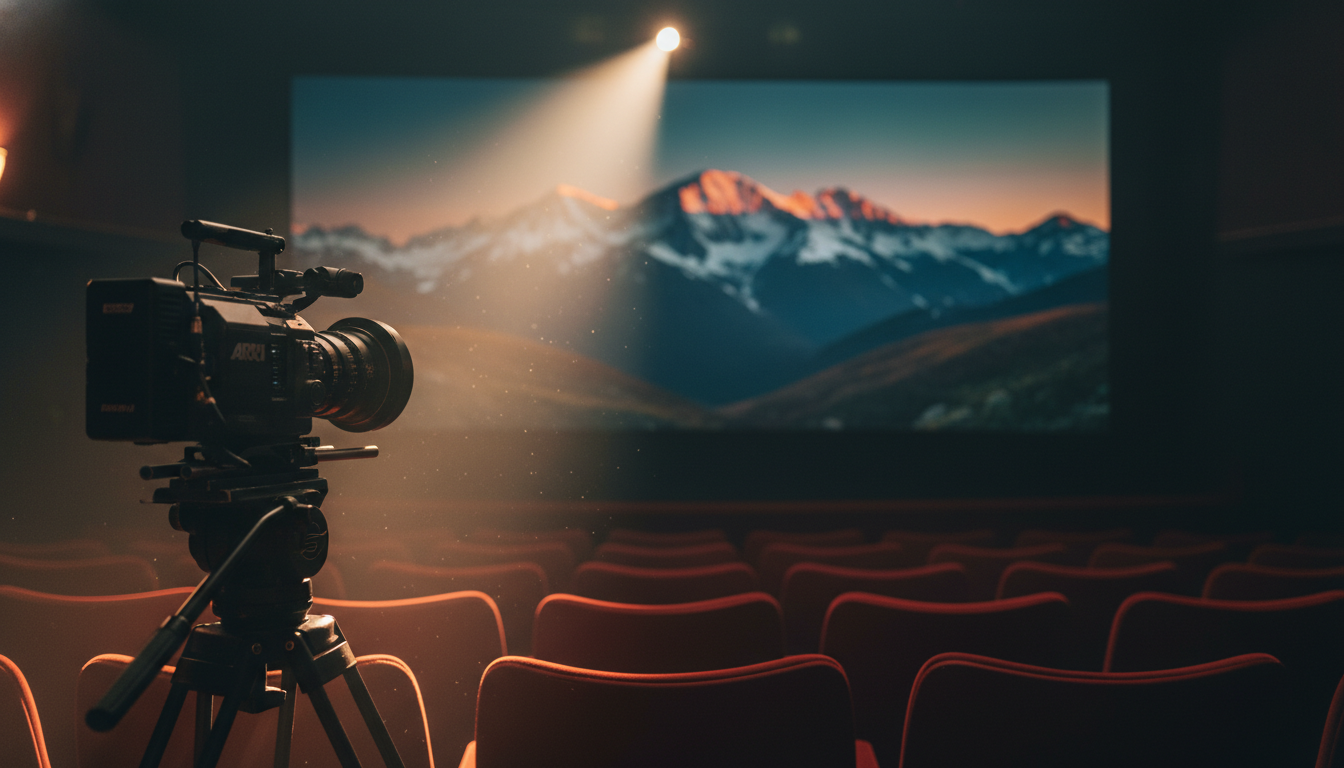
    In the contemporary landscape, The Art of Cinematography continues to evolve at a breathtaking pace. Masters like Roger Deakins (known for Blade Runner 2049, Sicario, and 1917) demonstrate unparalleled control over light, shadow, and color, often creating images so painterly they transcend mere documentation. His work on 1917, with its seemingly seamless long takes, wasn’t just a technical marvel but a profound exercise in immersive visual storytelling in cinema, placing the audience directly into the harrowing journey. Similarly, Hoyte van Hoytema‘s expansive, often tactile work on films like Dunkirk, Interstellar, and the recent Oppenheimer (shot partly on IMAX 65mm black-and-white film) showcases a dedication to capturing immense scale and intricate detail, leveraging the very latest in camera technology to push the boundaries of what’s possible. These cinematographers are not just operators; they are visual poets, dictating our gaze, manipulating our emotions, and building entire worlds through their lenses.

    The Canvas Demands the Grand Scale

    While streaming services offer unparalleled convenience, they inherently compromise the integrity of The Art of Cinematography. The nuanced interplay of light and shadow, the subtle gradations of color, the breathtaking scope of a wide shot, or the intimate detail of a close-up – these elements are meticulously crafted for the big screen experience. A meticulously lit scene designed to slowly reveal a character’s face, or a vast landscape shot intended to dwarf the human figures within it, loses much of its intended impact when shrunk to a television, tablet, or phone screen.

    This is where premium theater formats like IMAX, Dolby Cinema, and even traditional large-format screens become indispensable. In these environments, the sheer scale of the image fills our peripheral vision, eliminating distractions and fostering a profound sense of immersion. The depth of field, the texture of costumes, the intricate details of production design – all come alive with a fidelity impossible to replicate at home. Furthermore, the impact of sound design in movies is inextricably linked to the visual. A powerful shot of a spaceship drifting through space, amplified by the precise, enveloping audio of a Dolby Atmos system, creates a sensory cinematic experience that transcends mere entertainment. The low rumble of an incoming threat, the crisp snap of a twig in a desolate forest, or the overwhelming crescendo of an orchestral score are all carefully calibrated to complement and deepen the visual narrative.

    The collective hush of an audience, the shared gasp, the communal roar of laughter or tears – these are all part of the unique magic that the big screen facilitates. When a cinematographer’s vision is projected onto a canvas forty feet wide, surrounded by perfectly tuned audio, the film ceases to be just a story and becomes a visceral, shared journey. It’s an experience designed to command attention, to awe, and to transport.

    The Future is Framed

    The Art of Cinematography is not a mere technicality; it is the very heartbeat of a film, the silent narrator that guides us through every frame. It’s the reason why certain scenes linger in our memories long after the credits roll, why we feel a character’s despair through a single, perfectly composed shot, or why an alien world feels utterly real. It is the culmination of centuries of artistic tradition, refined through the evolution of filmmaking, now brought to life through pixels and projection.

    As viewers, we have a responsibility to appreciate this profound craft. The next time you settle into your seat, whether it’s for a sprawling epic or an intimate drama, pay attention to how the film looks. Notice the way light falls, the movement of the camera, the colors that saturate the screen. Understand that these choices are deliberate, designed to evoke, to inform, and to move you. To truly honor the incredible effort and artistry behind visual storytelling in cinema, we must seek out the optimal cinematic experience – which, more often than not, means stepping into a brick-and-mortar cinema. Support your local theaters, embrace the big screen experience, and rediscover the unparalleled power of a story beautifully told, one frame at a time. The future of cinema depends not just on what stories we tell, but on how we choose to see them.
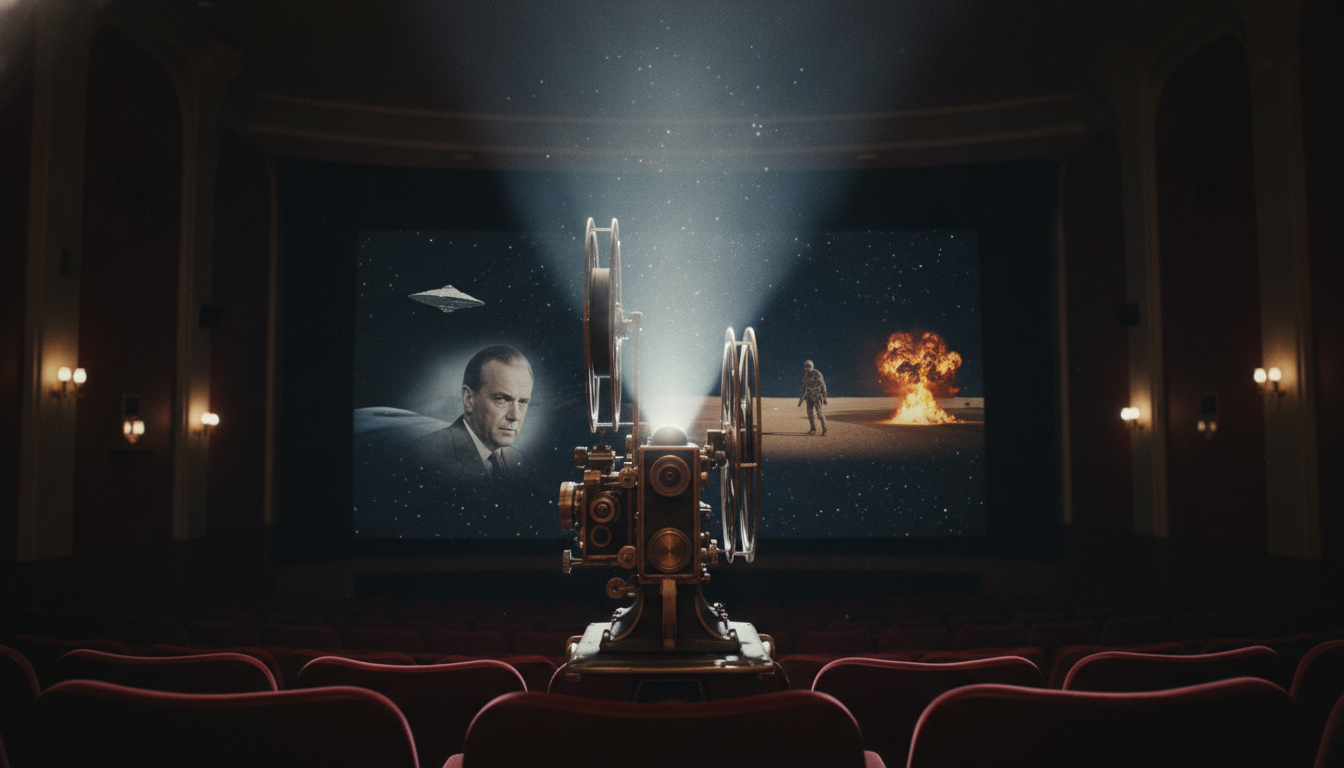
  • Beyond the Cheap Thrill: Unpacking the Enduring Power of the Cinematic Jump Scare

    Beyond the Cheap Thrill: Unpacking the Enduring Power of the Cinematic Jump Scare

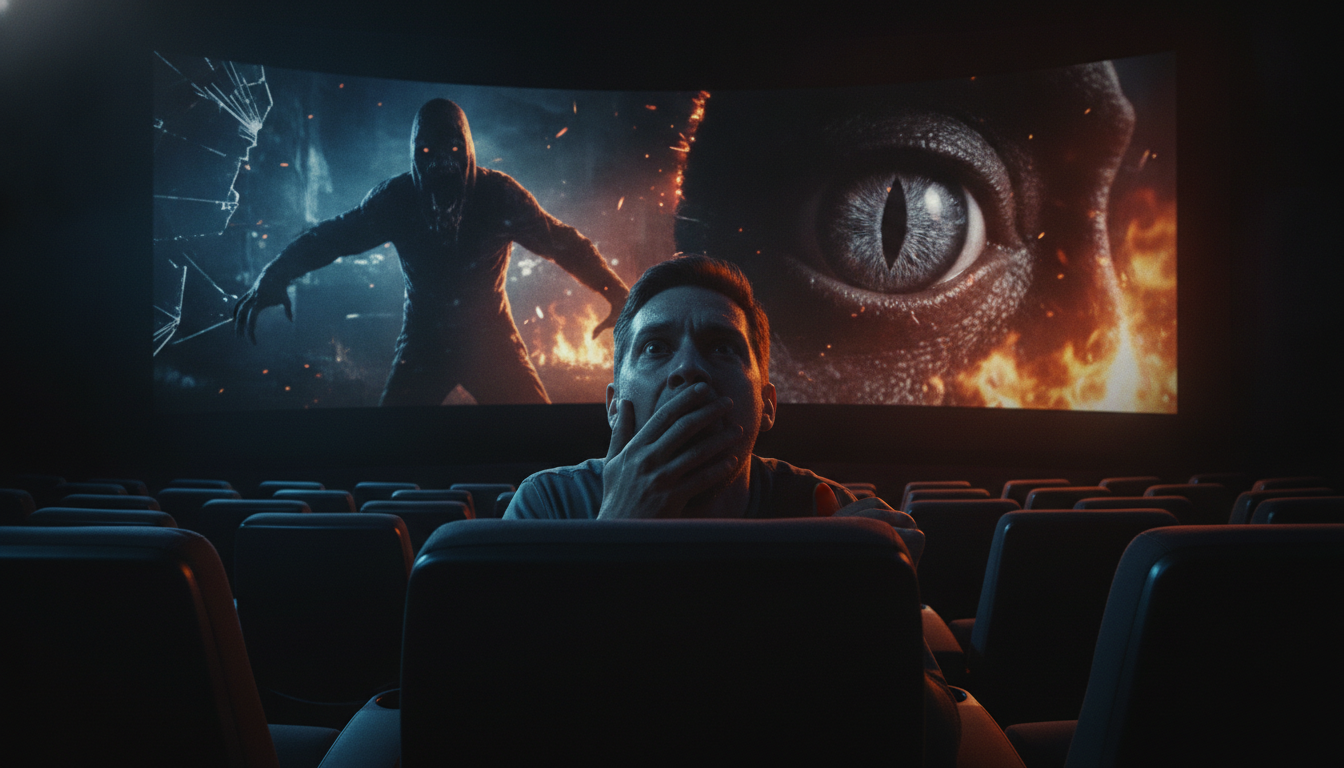
    In an era dominated by streaming platforms and the comfort of home viewing, the cinematic experience faces constant re-evaluation. Yet, some elements of filmmaking stubbornly refuse to be diminished by the small screen. Among them, few are as polarizing or as potent as the jump scare. Often derided as a cheap trick, a lazy crutch for uninspired horror, the perfectly executed jump scare remains a visceral, undeniable force in the pantheon of movie theater trends. When Smile or Talk to Me send ripples of collective gasps and shrieks through a packed auditorium, it’s a stark reminder that this particular brand of shock is more than just a sudden noise; it’s a meticulously crafted moment designed to exploit our deepest fears, a cornerstone of visual storytelling in cinema that demands the immersive environment of the big screen.

    Deconstructing the Shock

    To truly appreciate the art of the jump scare, we must move beyond its surface-level effect and dissect its intricate mechanics, tracing its roots through the history of cinematic techniques. A jump scare isn’t merely a sudden loud noise coupled with a quick visual — it’s a carefully orchestrated sequence of tension, misdirection, and release. Directors like Alfred Hitchcock understood the power of the unexpected, even if his scares were often more psychological. However, films like The Cat People (1942) masterfully employed what became known as the

  • From Kinetoscope to IMAX: Why the Big Screen Spectacle Still Reigns Supreme

    From Kinetoscope to IMAX: Why the Big Screen Spectacle Still Reigns Supreme

    In an age where every living room boasts a high-definition screen and streaming services deliver an endless bounty of content to our fingertips, a critical question looms: has the traditional cinematic experience become an anachronism? Yet, as recent blockbusters like Dune: Part Two and Oppenheimer shatter box office expectations and ignite fervent discussions about their visual and auditory grandeur, it becomes abundantly clear that the allure of the darkened theater, the colossal screen, and the thunderous sound system remains potent. This isn’t just about watching a film; it’s about surrendering to a collective ritual, a journey into the heart of visual storytelling in cinema that home viewing, however advanced, simply cannot replicate.

    The Art of Illusion: A Deep Dive into Filmmaking’s Evolution

    The journey from the flickering novelty of the Lumière brothers’ Arrival of a Train at La Ciotat Station to the hyper-realistic worlds crafted by today’s digital artists is a testament to the relentless evolution of filmmaking. Early pioneers like Georges Méliès understood cinema’s power to transport, employing groundbreaking practical effects to create fantastical narratives. The silent era, far from being truly “silent,” relied on live music and intertitles, showcasing an early form of immersive storytelling. The advent of synchronized sound in The Jazz Singer (1927) revolutionized the medium, opening new avenues for character development and narrative depth. Later, the introduction of vibrant color, widescreen formats like Cinemascope, and sophisticated special effects—from the stop-motion wizardry of Ray Harryhausen to the digital marvels of Industrial Light & Magic—consistently pushed the boundaries of what was possible on screen.

    At its core, cinema is an art of illusion, a meticulously crafted dance of light and shadow, movement and stillness. Directors like Orson Welles in Citizen Kane (1941) pioneered deep focus cinematography, allowing multiple planes of action to remain sharp simultaneously, demanding the viewer’s eye to explore the frame. Stanley Kubrick’s 2001: A Space Odyssey (1968) stands as a monumental example of visual storytelling in cinema, conveying complex philosophical ideas with minimal dialogue, relying instead on breathtaking cosmic vistas and iconic imagery. More recently, the kinetic chaos of George Miller’s Mad Max: Fury Road (2015) demonstrated how precise editing, practical effects, and a relentless pace can create an almost visceral experience, a masterclass in controlled pandemonium that is truly appreciated on a grand scale. These films, across generations, underscore that the medium’s strength lies not just in what it shows, but how it shows it.

    Equally critical, yet often underestimated, is the impact of sound design in movies. Far beyond mere dialogue and a musical score, sound creates atmosphere, builds tension, and guides our emotional response. Think of the disorienting, omnipresent helicopter blades in Francis Ford Coppola’s Apocalypse Now (1979), which become a character unto themselves. Or the almost unbearable silence punctuated by terrifyingly subtle rustles in John Krasinski’s A Quiet Place (2018), where sound—or the lack thereof—is the very fabric of fear. Christopher Nolan’s Dunkirk (2017) utilized Hans Zimmer’s ticking score and a meticulously layered soundscape of waves, gunfire, and desperate whispers to plunge audiences directly into the harrowing experience of war, a testament to how sound can be as immersive as any visual.

    The Theatrical Connection: Beyond the Living Room

    This brings us to the irreplaceable big screen experience. While home theaters have advanced remarkably, they cannot replicate the sheer scale, the engulfing darkness, and the absence of domestic distractions that define the cinema. The screen isn’t just large; it fills your peripheral vision, eliminating the outside world and drawing you completely into the film’s reality. This immersive quality is precisely what current movie theater trends are capitalizing on, pushing the boundaries of what a cinema can offer.

    Premium theater formats like IMAX and Dolby Cinema are at the forefront of this revolution. IMAX, with its gargantuan screens and specially designed projection systems, delivers unparalleled visual clarity and brightness, making every detail pop and every landscape breathtaking. When a film like Avatar: The Way of Water is presented in IMAX 3D, the sense of depth and immersion transcends mere viewing; it becomes an almost tangible journey into Pandora. Dolby Cinema, on the other hand, combines Dolby Vision (with its incredible contrast and color accuracy) with Dolby Atmos sound. Dolby Atmos is not just surround sound; it’s object-based audio that places individual sounds precisely in a three-dimensional space, including overhead, creating a truly enveloping auditory experience. A spaceship flying overhead doesn’t just pass from left to right; you feel its trajectory above you. Even formats like 4DX add physical sensations—wind, mist, seat vibrations—further blurring the line between viewer and narrative.

    But beyond the technological marvels, there’s the intangible magic of communal viewing. The shared gasp at a plot twist, the collective laughter, the palpable tension during a suspenseful sequence—these are experiences amplified by the presence of a hundred strangers sharing the same emotional journey. It’s a fundamental aspect of human connection, a shared vulnerability in the face of powerful storytelling that transforms a simple movie outing into a memorable cultural event.

    The Final Takeaway: Reclaiming the Spectacle

    The cinematic experience is not just a relic of the past; it’s an evolving art form that continually redefines its potential. From the earliest flickering images to today’s hyper-realistic digital landscapes and object-based soundscapes, the history of cinematic techniques demonstrates a consistent drive towards greater immersion and emotional resonance. While streaming offers convenience, it often sacrifices the very elements that make cinema a truly transformative art form.

    So, the next time you consider watching a highly anticipated film, pause. Reflect on the meticulous craft that went into its visual storytelling, the hours dedicated to its sound design, and the centuries of innovation that led to its creation. Then, make the pilgrimage to your local cinema, especially one equipped with premium theater formats. Support the spaces that keep this grand tradition alive. Don’t just watch a movie; experience it. Let the darkness envelop you, let the sound wash over you, and let the colossal image transport you. For in that shared darkness, the true magic of cinema endures, a powerful, collective dream that only the big screen can fully deliver.

  • The Unseen Revolution: Why the Cinematic Experience Endures (and Evolves)

    The Unseen Revolution: Why the Cinematic Experience Endures (and Evolves)

    In an era dominated by sprawling streaming libraries and ever-more sophisticated home entertainment systems, a persistent question echoes through the hallowed halls of film criticism: is the traditional cinematic experience still relevant? With new blockbusters often landing on digital platforms mere weeks after their theatrical debut, and the comfort of our couches proving increasingly seductive, it’s easy to believe that the grand spectacle of the silver screen is a relic. Yet, films like Dune: Part Two, with its breathtaking vistas and thunderous sound design, or the visceral immersion of Oppenheimer in IMAX, serve as potent reminders that some stories aren’t just *watched* – they are *experienced*. We are at a pivotal moment, witnessing significant movie theater trends that challenge and redefine what it means to go to the movies, forcing us to reconsider the intrinsic value of the collective, big-screen encounter.

    The Evolution of a Shared Dream

    To truly appreciate the enduring power of cinema, one must first understand its foundations. The history of cinematic techniques is a saga of relentless innovation, a quest to capture and project reality, then to bend it to the will of imagination. From the Lumière brothers’ “Arrival of a Train at La Ciotat Station” famously startling audiences, to Georges Méliès‘ fantastical “A Trip to the Moon” which pioneered special effects, early filmmakers were not just telling stories; they were inventing a language. The advent of synchronized sound in The Jazz Singer (1927) shattered the silent era, forever changing visual storytelling in cinema by adding an entirely new dimension of expression. Color, widescreen formats like CinemaScope, and eventually digital filmmaking each marked revolutionary shifts, expanding the canvas and palette available to directors.

    Modern filmmaking continues this relentless evolution. Directors today leverage an unprecedented array of tools to craft their visions. Consider the meticulous framing and breathtaking scale in the works of Denis Villeneuve, where every shot in films like Arrival or Blade Runner 2049 feels meticulously composed, demanding to be seen on a screen that can convey its immensity. Or the kinetic, immersive camera work of a director like Emmanuel Lubezki in films such as Birdman or The Revenant, which pulls the audience directly into the character’s immediate, often harrowing, experience. This continuous refinement of technique – from the most subtle lighting choice to the most audacious special effect – underscores the filmmakers’ unwavering commitment to pushing the boundaries of what is possible within the frame, always with the implicit understanding that these details will be magnified and absorbed by a captive audience.

    The Symphony of Sight and Sound on the Big Screen

    This brings us directly to the heart of the matter: the irreplaceable value of the big screen experience. It’s not merely about size; it’s about immersion, fidelity, and the deliberate artistic choices that come alive only in a dedicated theatrical setting. A significant, often underappreciated, component of this immersion is the impact of sound design in movies. Legendary sound designers like Walter Murch, whose work on Apocalypse Now redefined sonic landscapes, or Ben Burtt, who created the iconic sounds of the Star Wars universe, proved that sound is not just an accompaniment but a fundamental narrative tool. It shapes mood, builds tension, guides attention, and deepens emotional resonance.

    In today’s premium theater formats like IMAX and Dolby Cinema, sound design reaches its zenith. Dolby Atmos and DTS:X systems offer object-based audio, allowing sounds to be precisely placed and moved anywhere in a three-dimensional space – above, behind, beside the audience. This isn’t just louder; it’s a completely different way of experiencing a film. The whisper of wind in a desolate landscape, the rumble of an approaching monster that seems to shake your seat, the precise trajectory of a bullet whizzing past your ear – these elements become palpable, transforming mere viewing into an all-encompassing sensory event. Similarly, IMAX’s expansive screens and dual-laser projection deliver unparalleled clarity, brightness, and color depth, revealing visual details and grand scales that are simply lost on smaller screens, no matter how high-resolution. These formats don’t just present a film; they envelop you in it, creating a heightened reality that transcends passive observation.

    Beyond the technical prowess, there’s the intangible magic of communal viewing. The shared gasp during a jump scare, the collective laughter at a comedic beat, the unified hush during a poignant moment – these are unique to the theater. It’s a fundamental aspect of human connection, experiencing a story simultaneously with strangers, forging a temporary, unspoken bond. This collective emotional resonance amplifies the impact of the film, turning a personal experience into a shared cultural event, solidifying the theater’s role as a vital social space.

    The Future is Bright, On and Off the Screen

    So, what’s the final takeaway from this journey through cinematic history, technological marvels, and the enduring allure of the dark room? It’s this: the cinematic experience is not dying; it is evolving. While home viewing offers unparalleled convenience, it can never replicate the deliberate, focused, and communal ritual of going to the movies. The big screen, with its meticulously crafted visuals and immersive soundscapes, remains the ultimate canvas for filmmakers who aspire to transport and transfix their audience. It’s where the grandest stories find their true voice and where the most intricate artistry can be fully appreciated.

    As film lovers, we have a crucial role to play in shaping the future of this art form. By choosing to see films in theaters, especially those designed to be seen on the big screen, we are voting with our wallets for the preservation of this unique cultural institution. We are supporting the artists, the technicians, and the dreamers who dedicate their lives to crafting these magnificent spectacles. So, the next time a film truly calls to you, heed that call. Step away from the small screen, embrace the darkness, and rediscover the unparalleled magic that only a cinema can offer. Support your local cinemas, for they are the keepers of a shared dream, waiting to unfold before your very eyes.

  • The Echo Chamber of Screens: Why the Big Screen’s Roar Still Matters More Than Ever

    The Echo Chamber of Screens: Why the Big Screen’s Roar Still Matters More Than Ever

    In an era defined by endless content streams and the allure of the personal device, a quiet crisis looms over the very soul of cinema. We are awash in films and series, yet the profound, immersive cinematic experience feels increasingly fragmented, reduced to background noise or a mere convenience. The question isn’t whether we’re watching movies, but *how* we’re watching them, and what we’re losing in the process. From the recent spectacle of Denis Villeneuve’s Dune: Part Two, a film meticulously crafted for grand scale, to the visceral intensity of Christopher Nolan’s Oppenheimer, it becomes undeniably clear: some stories demand more than a living room, more than a tablet. They demand the darkness, the scale, and the communal reverence that only a movie theater can provide.

    This isn’t merely nostalgia; it’s a critical examination of the evolution of filmmaking and the very essence of visual storytelling. As movie theater trends continue to shift, with premium formats vying for our attention, it’s vital to revisit why the big screen isn’t just a larger display, but a fundamental component of cinematic art.

    The Unfolding Tapestry: A Deep Dive into Visual Storytelling and Sound

    The journey of cinema began with wonder. From the startling realism of the Lumière brothers’ Arrival of a Train at La Ciotat (1895) to the fantastical artistry of Georges Méliès’ A Trip to the Moon (1902), early filmmakers understood the power of the projected image. It was an illusion, a magic trick designed to transport. Over a century, the history of cinematic techniques has seen relentless innovation, each development pushing the boundaries of what stories could be told and how profoundly they could impact an audience.

    The silent era, far from being primitive, was a masterclass in pure visual storytelling. Directors like D.W. Griffith pioneered narrative structure, while German Expressionists, with films like The Cabinet of Dr. Caligari (1920), used distorted sets and stark lighting to externalize inner turmoil. The arrival of synchronized sound with The Jazz Singer (1927) was a revolution, initially clumsy but quickly refined by visionaries like Orson Welles, whose Citizen Kane (1941) not only redefined visual composition with deep focus but also established a complex, layered approach to soundscapes.

    Post-war, the advent of television threatened the theatrical model, prompting cinemas to innovate with widescreen formats like Cinemascope and VistaVision, emphasizing spectacle that couldn’t be replicated at home. This constant push-and-pull has defined cinema’s trajectory, always striving for a more immersive, more expansive canvas.

    Today, directors like Denis Villeneuve, with cinematographer Roger Deakins, craft entire worlds in films like Blade Runner 2049, where every frame is a painting, every shadow tells a story. Alfonso Cuarón’s Roma (2018) uses meticulous black-and-white cinematography and expansive wide shots to evoke a specific time and place with breathtaking intimacy. These films aren’t just seen; they are experienced, their visual poetry demanding uncompromised scale to fully resonate.

    But the silent spectacle is only half the equation. The often-underestimated impact of sound design in movies is equally transformative. From the deliberate quiet that amplifies dread in A Quiet Place (2018) to the overwhelming, disorienting soundscapes of Dunkirk (2017), sound is not merely an accompaniment; it is a character, a mood, a weapon. Pioneering sound designers like Walter Murch (Apocalypse Now, 1979) and Gary Rydstrom (Jurassic Park, 1993; Saving Private Ryan, 1998) have demonstrated how expertly crafted audio can build worlds, heighten tension, and evoke profound emotional responses, often without a single word of dialogue. It’s the roar of a T-Rex that rattles your bones, the whistle of bullets that makes you duck, the subtle environmental hum that places you firmly within a film’s reality.

    The Sanctuary of the Screen: Why the Big Screen Experience Endures

    This brings us to the irreplaceable value of the big screen experience. In an age of infinite distractions, the movie theater offers a singular sanctuary. The communal darkness, the absence of pause buttons, the shared anticipation – these elements forge a unique bond between the audience and the narrative unfolding before them. It’s a ritual that transcends mere entertainment, becoming a shared cultural event.

    The rise of premium theater formats has further cemented this truth. IMAX, with its towering screens and precisely calibrated sound systems, transforms a viewing into an event, making you feel not just *in* the story, but *part* of it. The sheer scale of a landscape shot in IMAX, or the intricate detail of a close-up, reveals layers of a filmmaker’s vision that are simply lost on smaller screens. Similarly, Dolby Cinema combines the breathtaking contrast and vibrant colors of Dolby Vision with the enveloping, object-based audio of Dolby Atmos. This isn’t just louder sound; it’s sound that moves around and above you, placing you precisely within the sonic world the filmmakers intended.

    These formats are not gimmicks; they are extensions of the filmmaker’s artistic intent. They allow the full force of a film’s visual storytelling and the intricate tapestry of its impact of sound design to wash over you, unimpeded. The tactile rumble of a spaceship engine, the whisper of wind across a vast desert, the explosive impact of a battle – these are experiences designed to be felt in your chest, to reverberate through the collective consciousness of a darkened room. The shared gasp, the unified laughter, the collective sigh – these are the intangible yet invaluable elements of the cinematic experience that cannot be downloaded or streamed.

    The Final Takeaway: Reclaiming Our Collective Gaze

    While home viewing offers unparalleled convenience, it often comes at the cost of immersion and artistic fidelity. The meticulously crafted details, the nuanced soundscapes, the sheer grandeur that defines true cinematic art are all diminished when consumed on a device not designed for such scale. The filmmaker’s vision, painstakingly brought to life through the evolution of filmmaking techniques, deserves to be seen and heard as intended.

    So, the next time a film truly calls to you, consider the pilgrimage to your local cinema. Embrace the darkness, the quiet anticipation, the shared breath of a collective audience. Support these vital cultural institutions, for they are the keepers of a powerful magic. Let’s not allow the grand illusion to fade into the background hum of our devices. Let’s reclaim the roar of the big screen and rediscover the unparalleled joy of a truly immersive cinematic experience. It’s more than just watching a movie; it’s participating in a timeless art form, a communal dream, and a testament to the enduring power of storytelling at its most magnificent.